Guides for life in Seoul
Practical, no-fluff answers to living here — the things that go wrong at home, the systems nobody explains, and the places worth your afternoon. What to try yourself, what it costs, and how to get it sorted in English.
-
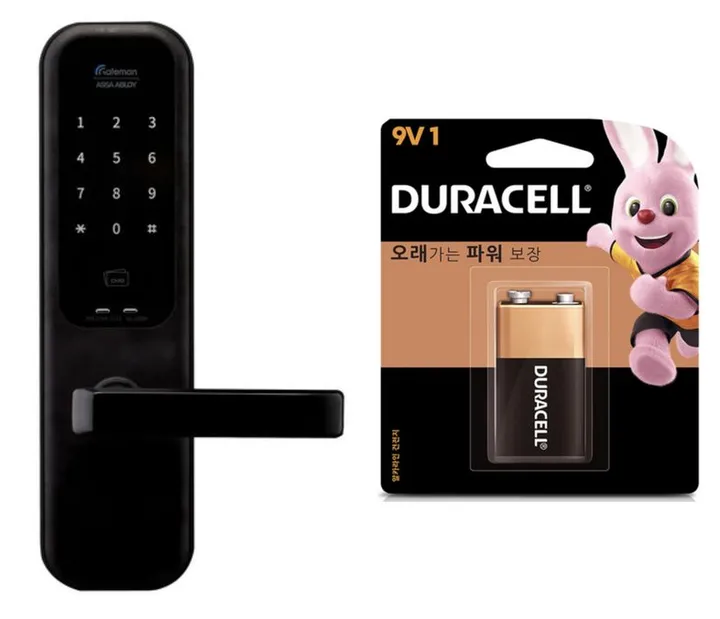
English-Speaking Handyman in Seoul: Who to Call for What
Korea has no handyman trade. Jobs are split by specialism, and the fix is knowing which one yours belongs to — plus what the building office does free.
-
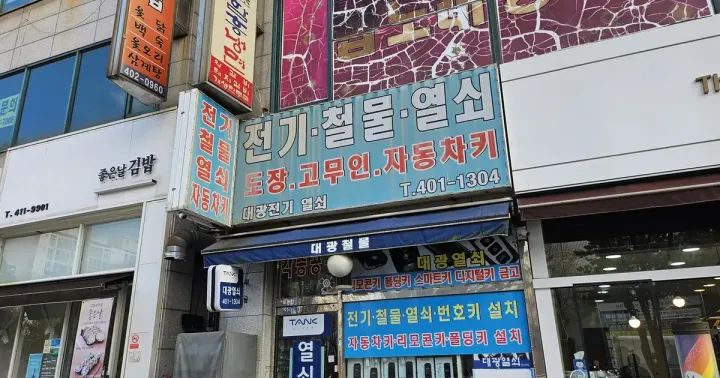
Toilet Unclogging Cost in Seoul: Flat Prices, No Surprises
A blocked toilet that turned into a ₩900,000 quote, and the flat prices we set afterwards. What the job should cost in Seoul, and how the number grows.
-
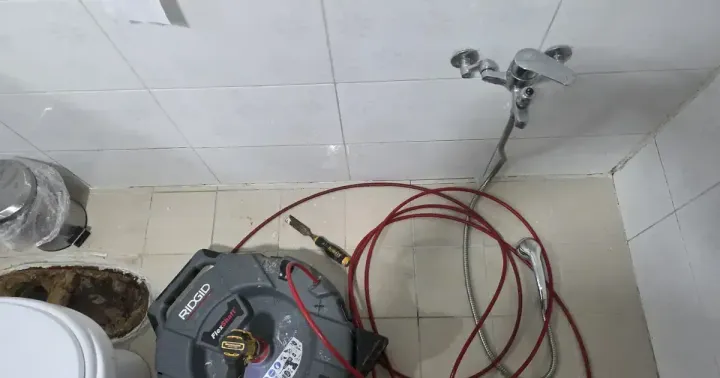
Deep Clean Service in Seoul: The Day and the Final Check
What happens when a deep clean crew arrives in Seoul — what they need from you, the order they work in, and the walk-through to do before you pay.
-
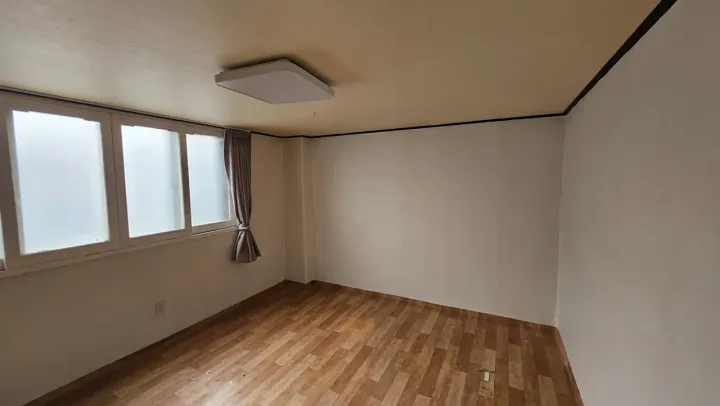
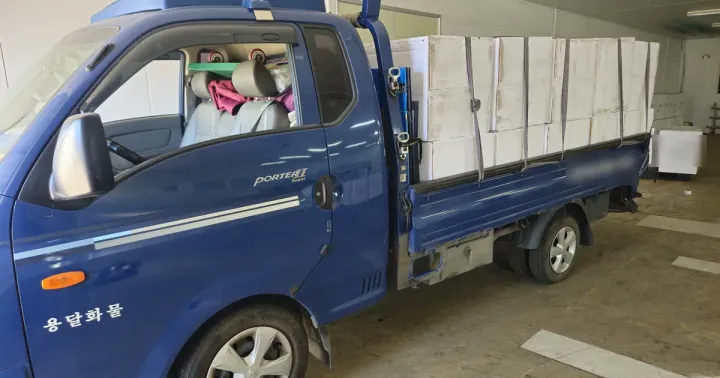
Yongdal in Korea: Will Your Things Fit on a 1-Ton Truck?
Yongdal is the cheapest way to move in Korea — a truck and a driver. What fits on a 1-ton bed, what you do yourself, and when it stops working.
-
Pest Control in Korea: Cockroaches, Bed Bugs, and Costs
Who to call about cockroaches, bed bugs and silverfish in a Korean flat, what your building already pays for, who is liable, and what a visit costs.
-
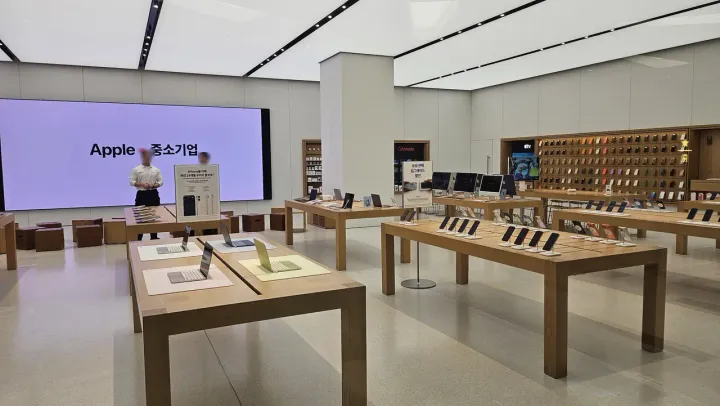
Buying an iPhone in Korea: Unlocked, Taxed, and Taken Home
Korean iPhones are unlocked and work abroad. The shutter sound, the tax refund you lose by ordering online, and why 0% instalments are not for you.
-
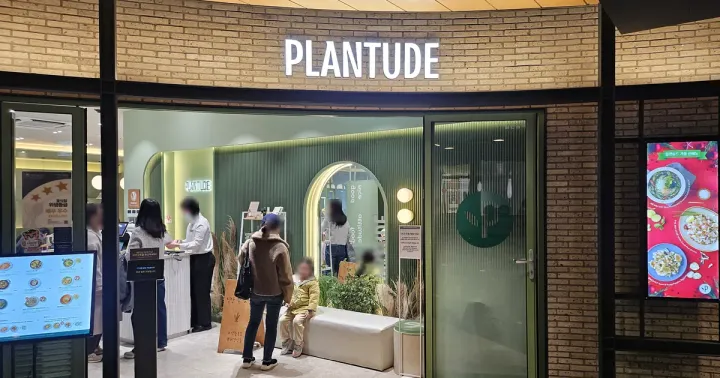
Vegan and Vegetarian Restaurants in Seoul: The Broth Problem
Korean vegetable dishes are often not vegetarian — the stock is anchovy, the kimchi has shrimp. What to ask, and the vegan places people eat at.
-
Hanbok Rental in Seoul: What Counts, and What Doesn't
The palaces admit you free in hanbok — but an official rule says what counts. Rental tiers, what premium buys, and why not to hand over a passport.
-
Hair Salons in Korea: Prices, Photos, and the Upsell
What a cut, colour or perm costs in Seoul, why an English-speaking stylist is not the same as an experienced one, and how to shut down the pitch.
-
Finding Housing in Korea: Every Route, and Who It Suits
Short lease, low deposit, address registration — pick two. The apps, agents, coliving and share houses foreigners use, and what each one costs.
-
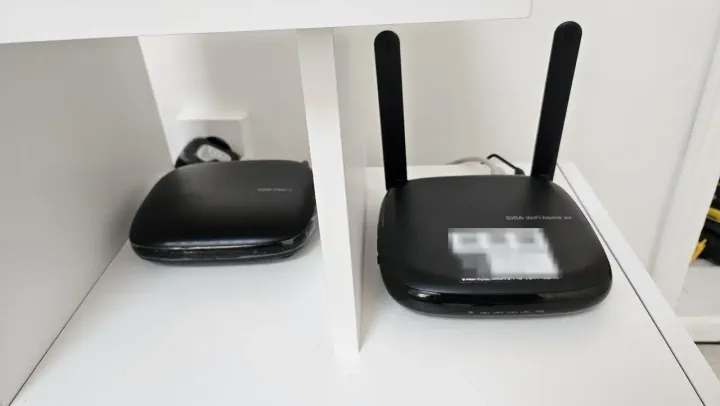
Internet in Korea: You Don't Need a Three-Year Contract
Korean internet is sold as a three-year contract with cash back. If your visa is shorter than that, the no-contract option nobody offers you may cost less.
-
Sofa and Mattress Cleaning in Korea: Is It Worth It?
Furnished flats in Korea come with a mattress someone else used. What a professional clean costs, what it can and cannot fix, and when to replace instead.
-
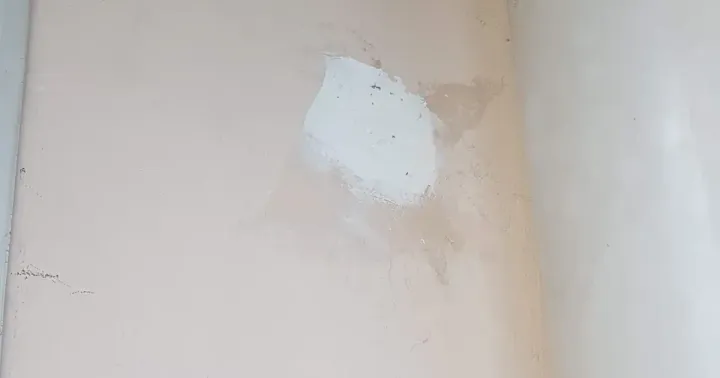
Move-Out Cleaning in Korea: Protecting Your Deposit
What Korean landlords actually deduct for, what a move-out clean costs, and the order to do it in — disposal first, clean second, photographs last.
-
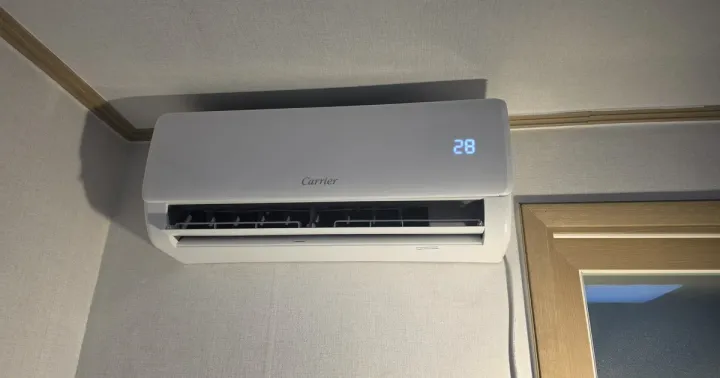
Aircon Cleaning in Korea: Do It When Summer Ends
Switch a Korean aircon off wet in September and it stays wet until May. Why the end of summer is the right time to clean it, and what the job actually is.
-
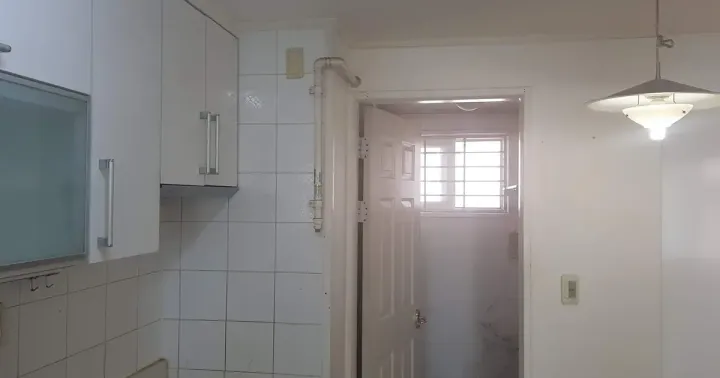
Move-In Cleaning in Seoul: What Ipjucheongso Really Costs
Korea deep-cleans a flat before you move in, and the tenant usually pays. What 입주청소 covers, what a 25-pyeong job cost, and when to book it.
-
Deep Cleaning in Korea: Sorting Comes Before Cleaning
Korea sells six different cleanings — 입주, 이사, 거주, 부분, 특수, 정리수납. Which one your flat needs, what each costs, and why the quotes disagree.

-
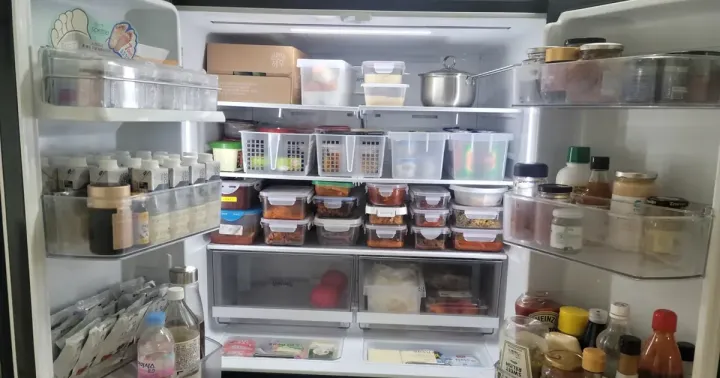
Home Organising in Korea: It Feels Like Moving House
정리수납 professionals sort and store — but they cannot throw anything out, so you have to be there. What the day is like, what it costs, and one warning.
-
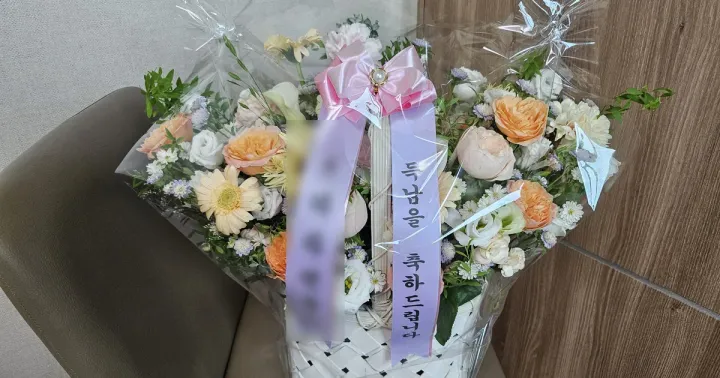
How to Send Flowers in Korea (and Why Checkout Fails)
Korean flower orders need things Western ones don't — the recipient's phone number, a ribbon line, the right occasion. Plus why paying from abroad fails.
-
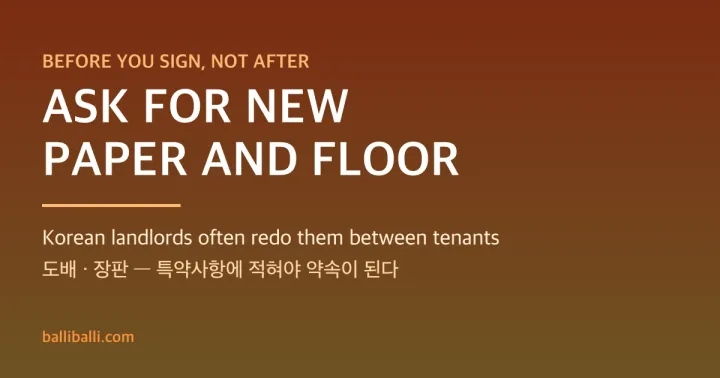
Korean Landlords Redo Wallpaper and Floors — If You Ask
Korean landlords often replace wallpaper and vinyl flooring between tenants — but only if you ask, and only before you sign. How to get it in writing.
-
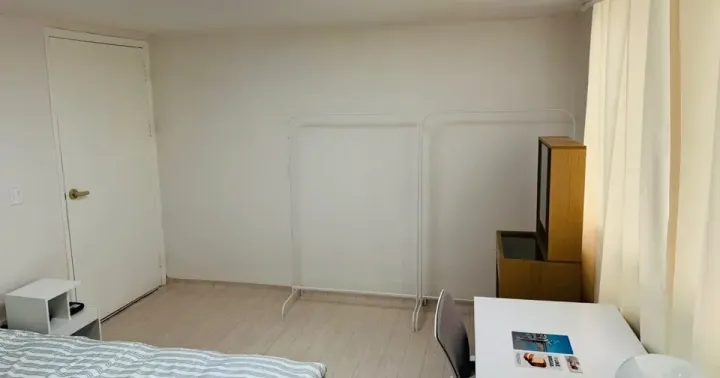
Goshiwon in Seoul: Why Two Friends Moved to a Share House
A goshiwon is the cheapest room in Seoul and the smallest. What it is really like, how it compares to an officetel or wolse, and what a share house costs.
-
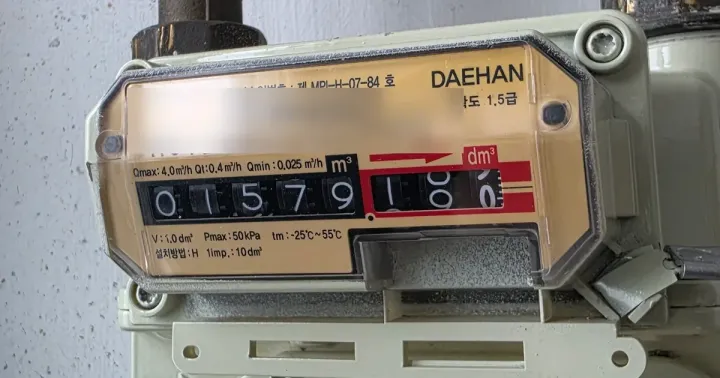
No Hot Water at All in Korea? Check the Valves First
Cold shower, nothing on the dial. Often it is a closed gas or water valve rather than a dead boiler — especially in a flat you have just moved into.
-
Clogged Toilet in Korea: What to Do and Who Pays
Stop flushing first. What actually blocks a Korean toilet, the ₩3,000 tool that clears most of them, and the question to ask the plumber before he leaves.

-
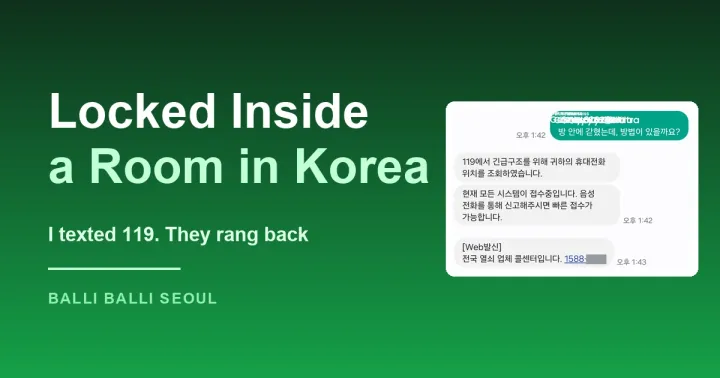
Locked Inside a Room in Korea: How to Get Out
The handle broke and the door won't open from your side. When 119 is right, what it will cost you in door, and what to try before either.
-
Luggage Storage in Yeouido: Where to Leave a Suitcase
Checked out at eleven with a flight at nine. The free staffed desk most people miss, the mall lockers, the station ones, and what to do when they are full.
-
Kakao Map: The App Koreans Check Before They Eat
The second map worth installing. Why its restaurant ratings are the ones locals trust, plus roadview into the past and pins sent straight into KakaoTalk.
-
Naver Map: The App You Install Before You Land in Korea
Google Maps still cannot route you on foot in Korea — that is changing, slowly. What Naver Map does in English, Chinese and Japanese, and how to set it up.
-
당근 (Dangeun): Buying and Selling Secondhand in Korea
Korea's biggest secondhand app runs on a neighbourhood check and a Korean phone number. How to get in, what sells before you leave, and where the line is.
-
Shipping Within Korea: Which Service, and What It Costs
Taekbae, quick service, freight or a fulfilment centre — the five things Koreans mean by delivery, what decides the price, and how to book without Korean.
-
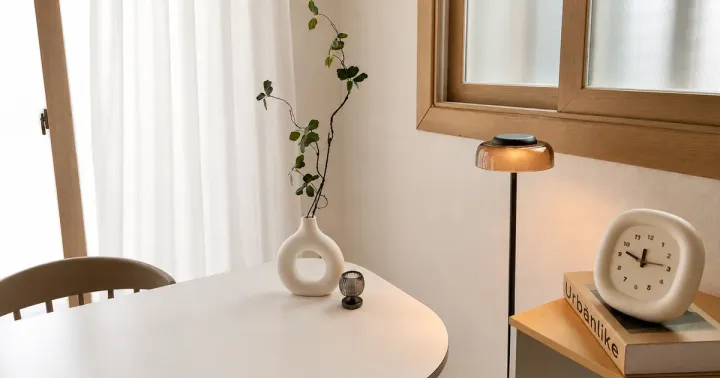
A Share House Three Minutes from Korea University
Single rooms in Jongam-dong by Korea University Station: aircon in every room, a washer-dryer, a shared kitchen and a rooftop. Deposits sized for students.
-
Hagwon in Seoul: Sport, Music and After-School Classes
A hagwon is not a weekly club. How monthly enrolment works, the word that unlocks pay-per-class, and which activities a child with no Korean can start.
-
Bedroom Door Locked in Korea? What to Try First
Most Korean bedroom doors open with a coin or a thin rod through the pinhole. How, when it won't work, and what a locksmith cost for one that didn't.
-
Lease Renewal in Korea: The Step Foreign Tenants Miss
You have a legal right to a second two-year term and a 5% cap on the increase. One filing decides whether that protection actually reaches you.
-
Moving Company in Seoul: What a Fair Quote Looks Like
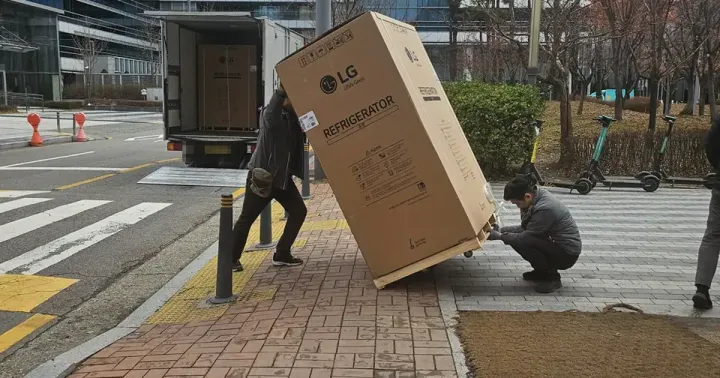
Korea's three moving tiers — yongdal, semi-pack, full-pack — what each really includes, what gets billed on top, and what to check before you sign.
-
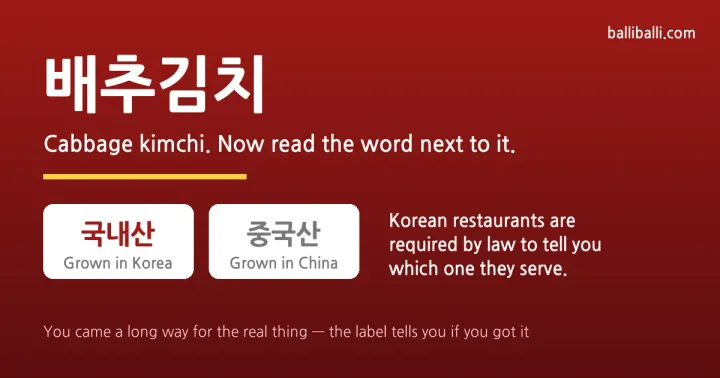
Kimchi in Korea: The One Line to Read on the Menu
Korean restaurants must tell you where the cabbage came from. Find that line, learn two words, and you'll know whether you're eating the real thing.
-
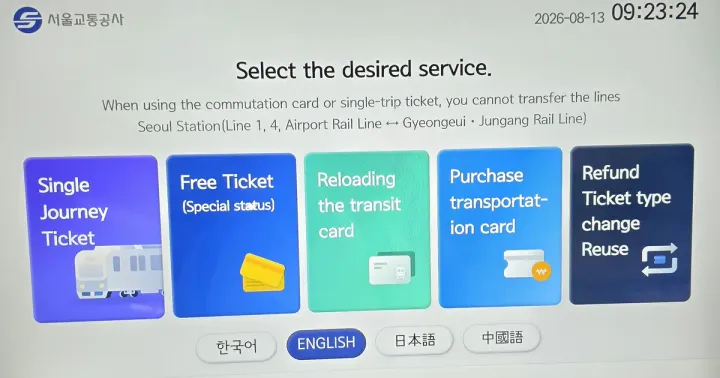
Seoul's Climate Card Is Ending: What Replaces It, and When
The 30-day Climate Card is being wound down and folded into K-Pass. The dates that matter, and the paper route foreigners are told to use.
-
Maxim vs KANU: Korea's Coffee Sticks, and Which to Buy
The souvenir that actually gets used. One is coffee with sugar and creamer, one is black americano — and they sell both in sizes that fit a suitcase.

-
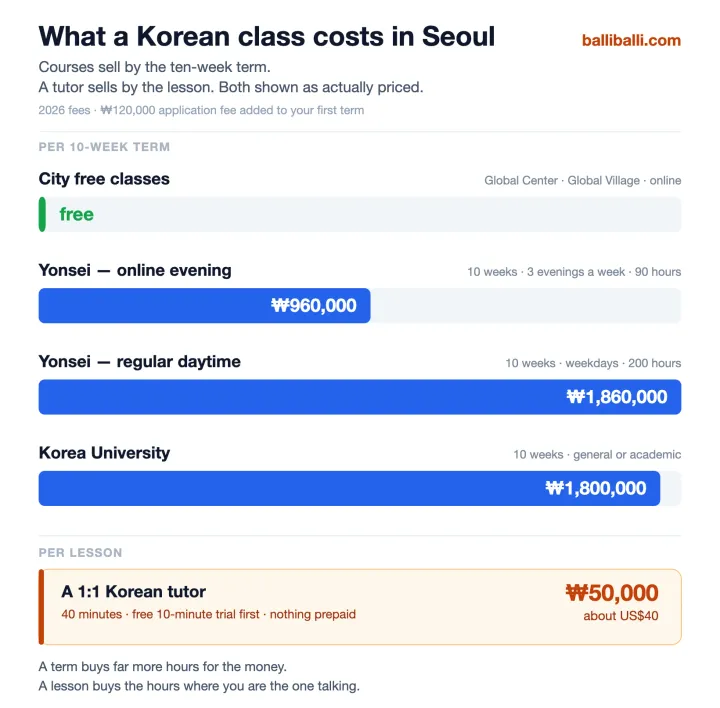
How to Learn Korean in Seoul: Free Classes and Tutors
Seoul's free Korean language classes, what a university institute costs, and what a Korean tutor is for — laid side by side, with the real 2026 numbers.
-
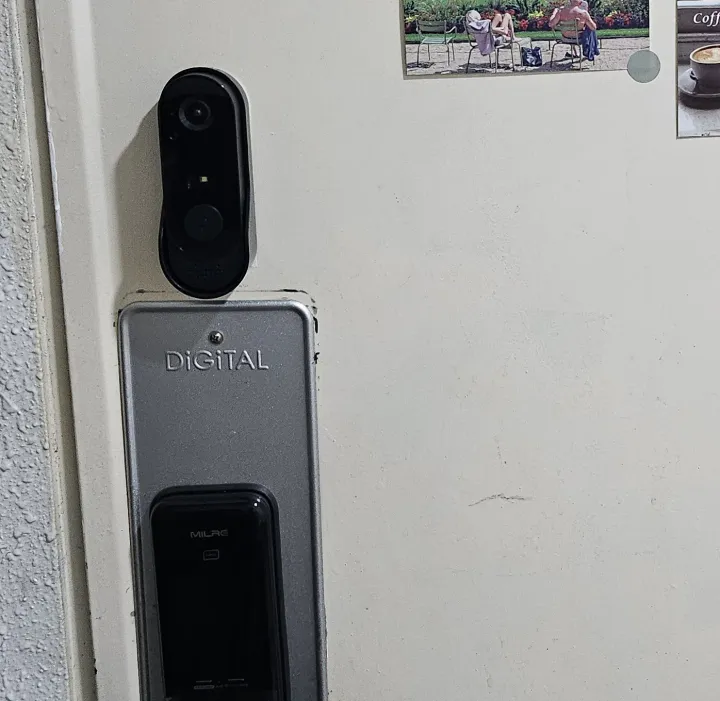
Door Lock Beeping in Korea? What Each Warning Means
Your Korean keypad lock is alive and beeping at you. The four things it usually means, which one you can fix in ten seconds, and when it needs a locksmith.
-
How to Get an iPhone Same Day in Korea: Order It Delivered
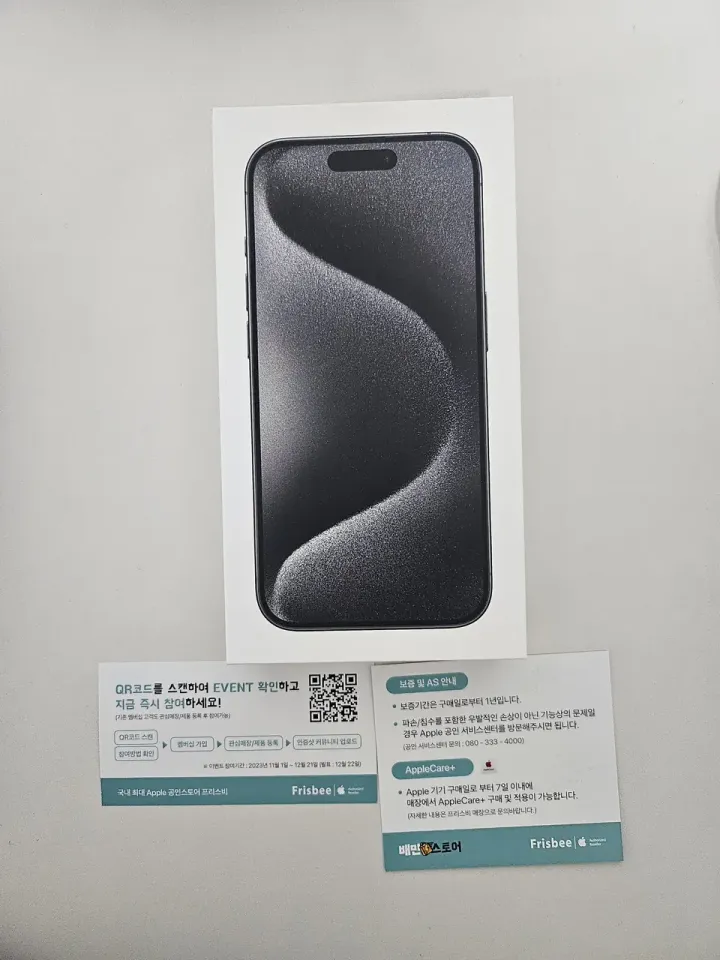
Korea's biggest food delivery app also brings sealed electronics to your door. A real order — an iPhone 15 Pro in under two hours, with the receipt.
-
Korean Conversation Practice and How to Find a Tutor
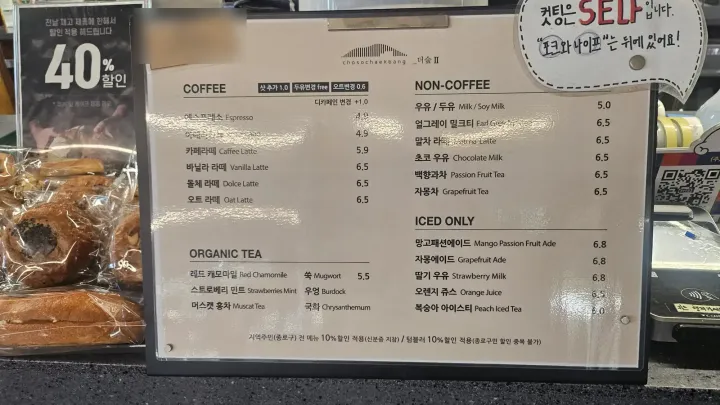
You finished the app and still freeze at the counter. Why textbook Korean fails, the situations worth rehearsing, and when a tutor is the only fix.
-
TOPIK Explained: Levels, Why It Matters, How to Study
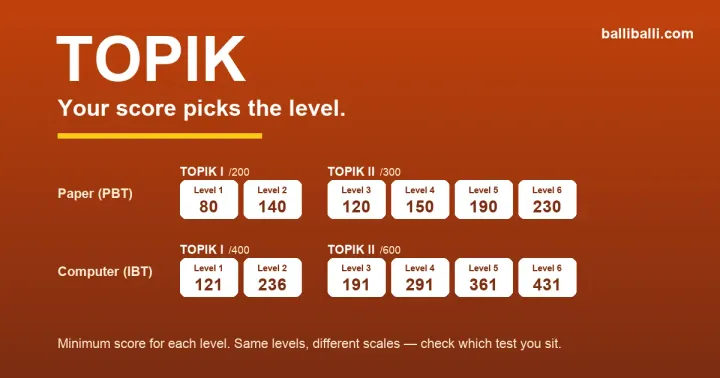
Korea's official language test, decoded — paper or computer, the score each level needs, what the levels unlock, and how people really study for it.
-
Korea Travel Hotline 1330: The One Number to Save
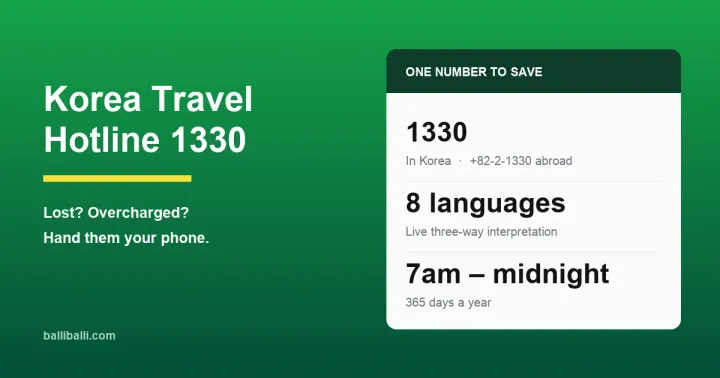
Not 112, not 119 — the number that answers in eight languages and interprets live on a three-way call, 7am to midnight. What 1330 actually does.
-
Boiler Replacement Cost in Korea: ₩1,045,000, All In
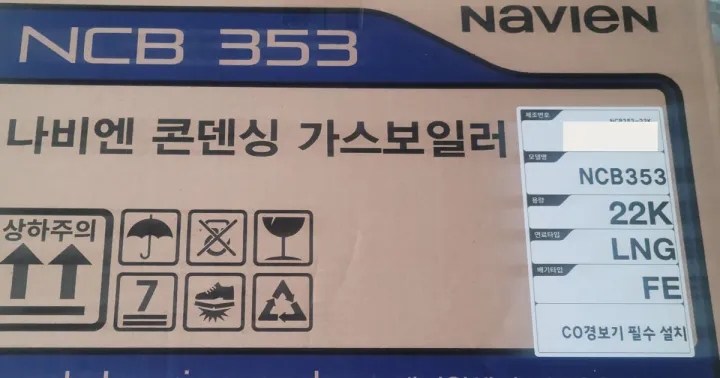
A real receipt for a condensing gas boiler in Seoul, fitted: unit, labour and VAT. What the spec on the box means, and who is supposed to pay for it.
-
Lost Something on the Seoul Subway? Read the Door Number
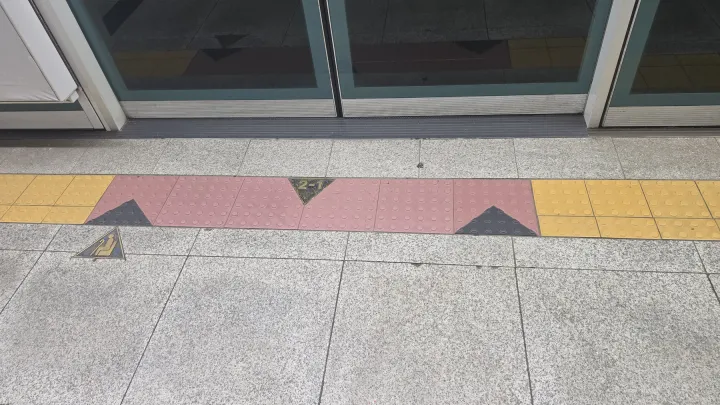
Seoul's lost property desks are split by line, each with its own number — and the car-and-door marker on the platform is what makes your bag findable.
-
How to Open a Bank Account in Korea as a Foreigner
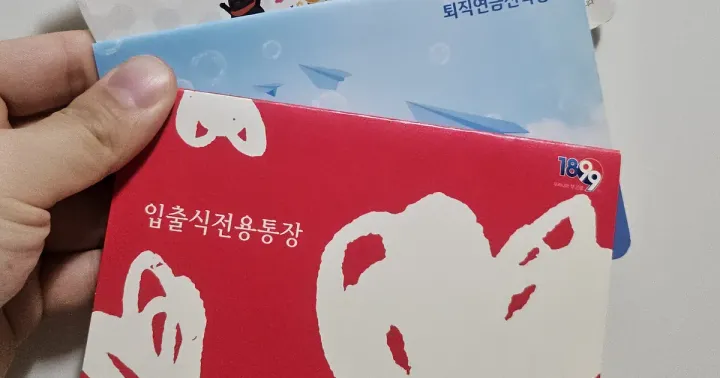
What to bring, which bank, and the thing nobody warns you about — new accounts open with a daily transfer limit, and lifting it takes paperwork.
-
Minor Car Accident in Korea: The ₩13.9M Bill, Itemised
A minor touch in Seoul ran to ₩13.9m. Who to call — the rental company or your insurer — why you never settle in cash, and the real settlement, itemised.

-
Seoul Subway Fares: What It Costs, Plus a 6:30am Discount
Adult ₩1,550 to start, ₩100 more per 5km, and free transfers if you tap out. The official 2026 fare table, turned into what you'll actually pay.
-
Sushi vs Sashimi in Seoul: Go to the Fish Market
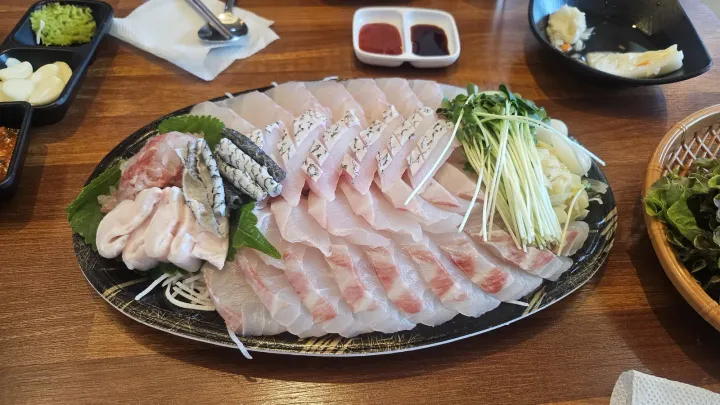
What Koreans eat is hoe, not sushi — raw fish you pick from a tank and eat upstairs. Which of Seoul's two big fish markets to use, and how ordering works.
-
How Korean Restaurants Work: Drawers, Bells, Free Banchan
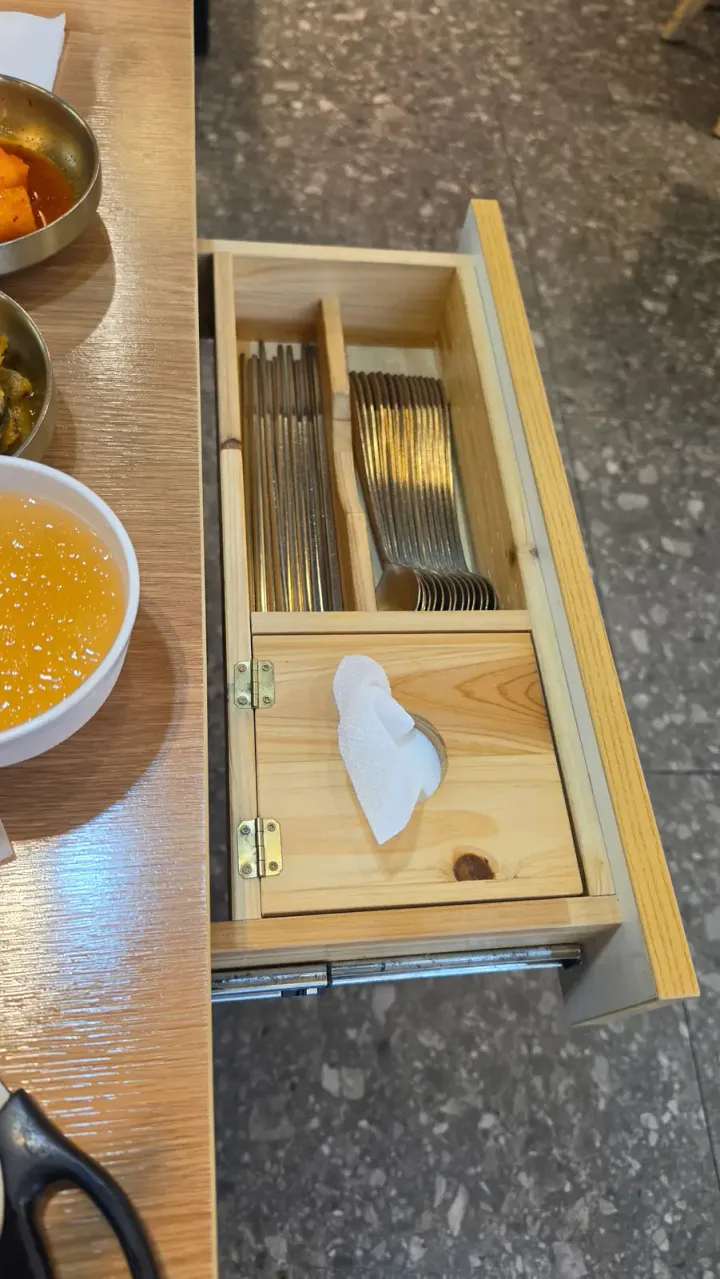
Nothing on the table, no server coming over, side dishes you didn't order — Korean restaurants run on rules nobody explains. Here are the five that matter.
-
Working Out in Korea: Gyms, Pools and the Han River
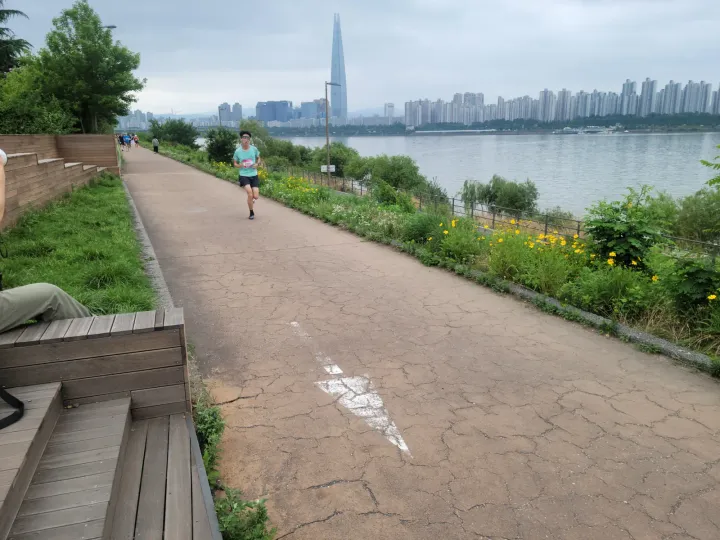
Where foreigners actually exercise in Seoul — Han River parks, district sports centers, gym contracts to be careful with, and the swim-cap rule.
-
Photograph Your Flat on Move-In Day — Meters First
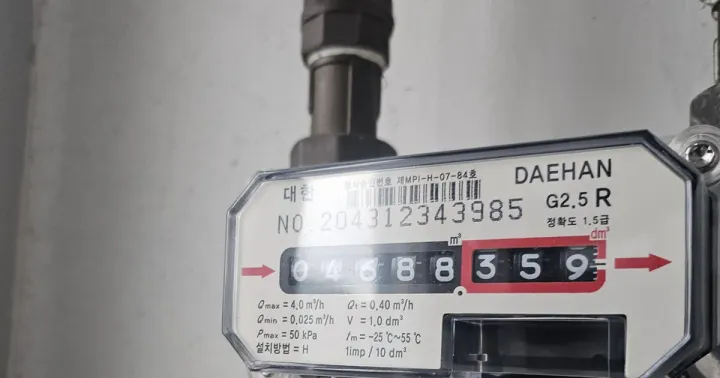
Your deposit is the largest sum you'll hand over in Korea. Twenty minutes with a camera on day one is what protects it — starting with the gas meter.
-
Glasses in Korea: No Prescription, Same Day in Seoul
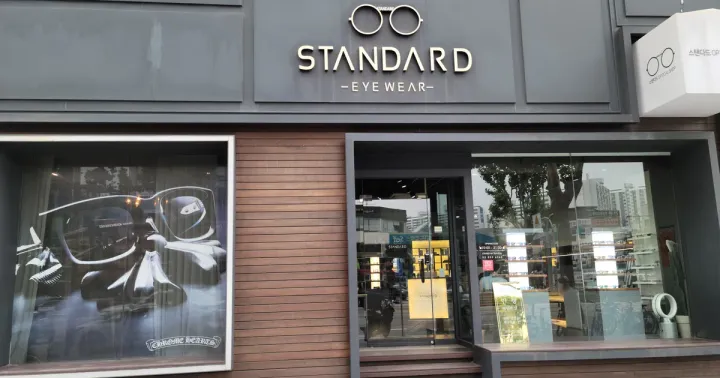
Walk into a Korean optical shop, get your eyes tested free, and walk out with new glasses in 15–30 minutes. No eye doctor and no prescription needed.
-
Seoul Kids Cafes: Prices, Rules, and the DDP Playground
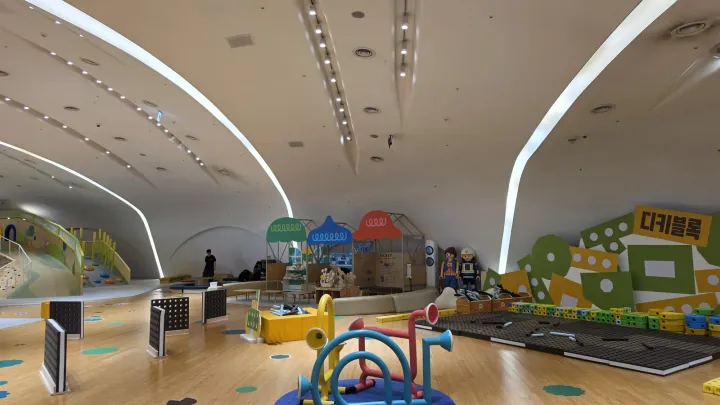
A Korean kids cafe is an indoor playground you pay to enter by the hour. What it costs in Seoul, the age cap that turns families away, and the DDP one.
-
Renting in Seoul: What the Deposit Really Tells You
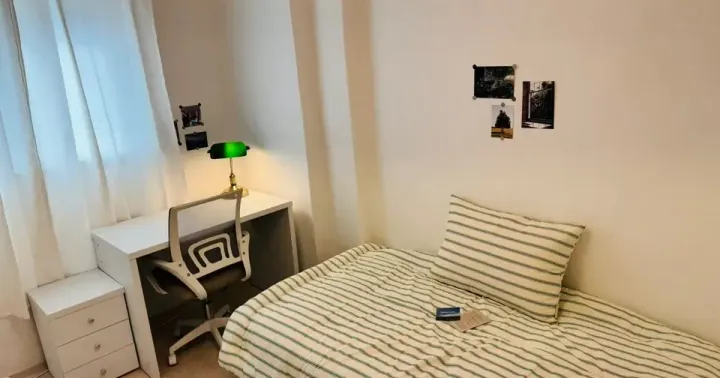
A ₩1–2M deposit usually means you're not looking at a one-room at all. How to read a Seoul listing, and the ten-minute inspection that saves you a year.
-
Our Coliving Rooms: Kyung Hee, HUFS and Korea University
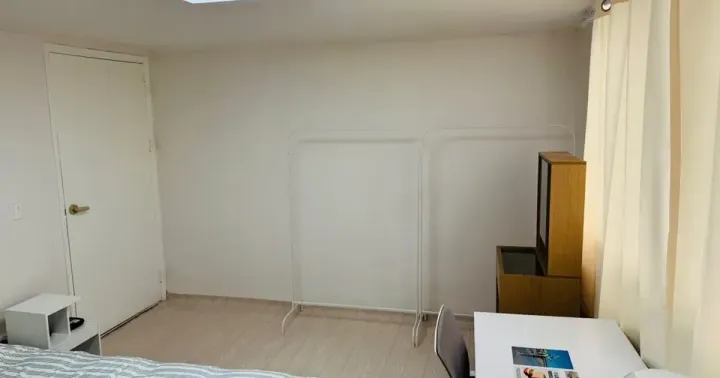
Three furnished coliving houses beside Seoul university campuses, run by us and women only. Single and twin rooms, small deposits, English throughout.
-
Check Behind the Baseboard Before You Sign a Korean Lease
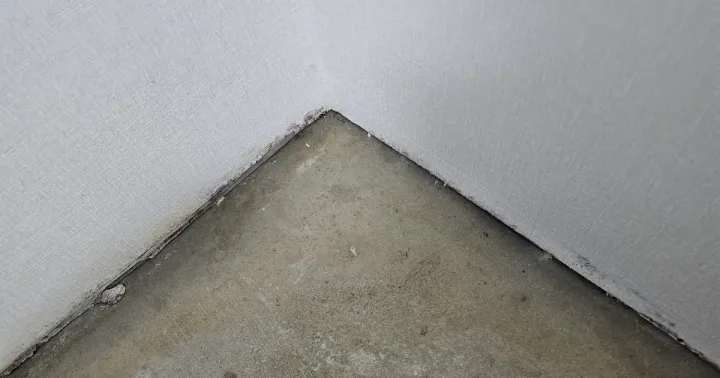
A Seoul flat can look spotless and still grow mould along every wall. Where it hides, why Korean interiors conceal it, and what to check at a viewing.
-
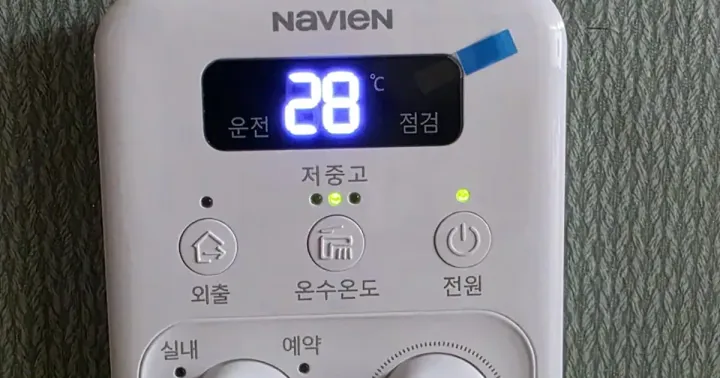
Hot Water Coming and Going? Ask About the Valve First
Intermittent hot water in a Korean flat usually points at one cheap part, not a new boiler. What the symptom means, what it costs, and who pays for it.
-
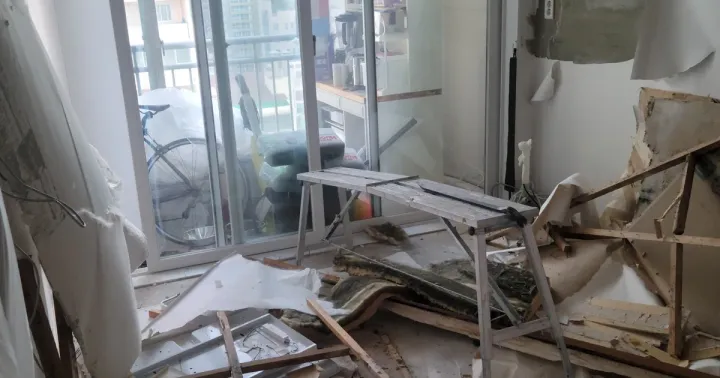
Water Leaks in a Korean Apartment: Who Pays, and What to Do
Whose problem is it when water comes through the ceiling — the insurance nobody checks, why monsoon stalls repairs, and what to do first.
-
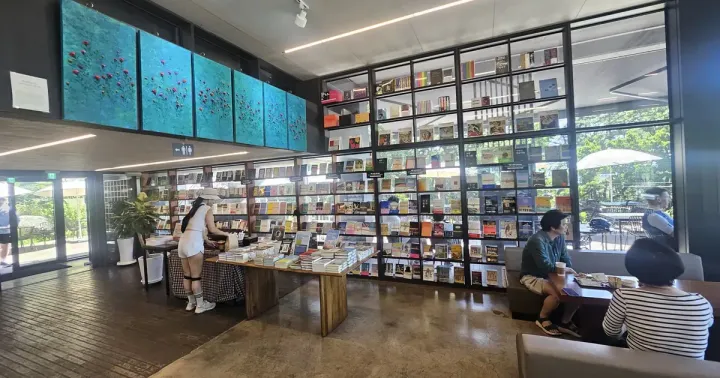
Seoul's Book Cafes: Go Even If You Can't Read Korean
Bookstore-cafes let you sit for hours in air conditioning, surrounded by books. What's usable if you don't read Korean — and where the old ones are.
-
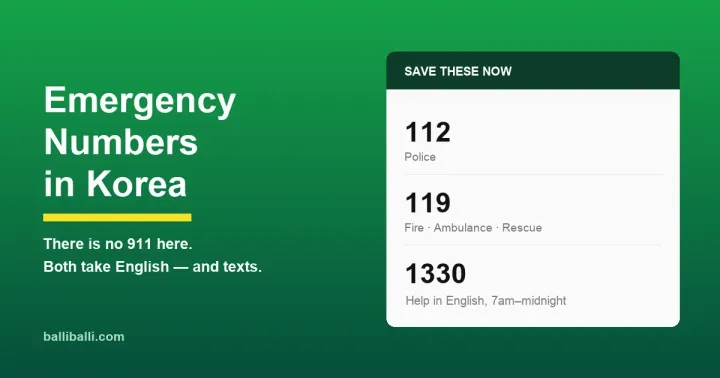
Korea's Emergency Numbers: 112, 119 (and Yes, You Can Text)
There's no 911 in Korea — police are 112, fire and ambulance 119. Both work with interpreters, both accept text messages, and here's who to call for what.
-
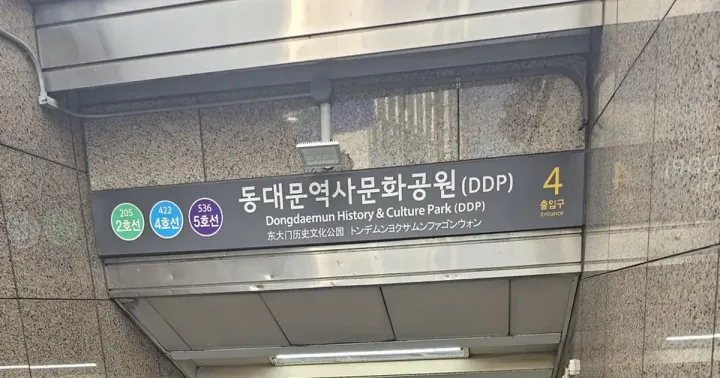
Seoul Subway Lines, Explained: What Each Color Gets You
Which colour goes where, why the number under it matters more than the name, and the express trick that halves a commute. A line-by-line cheat sheet.
-
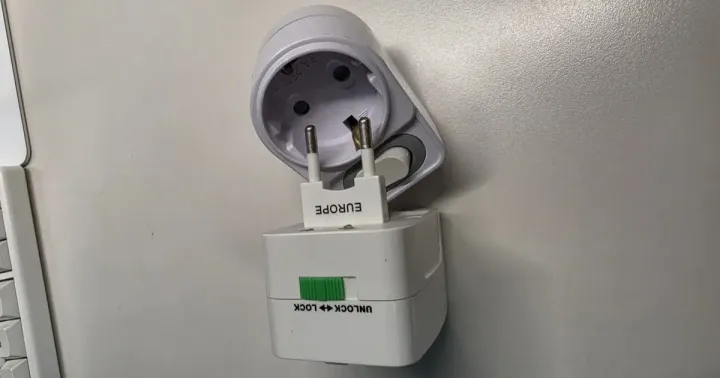
Korea Runs on 220V: Will Your Appliances Survive?
Korea uses 220V with European-style round plugs. What works with a cheap adapter, what needs a transformer, and which appliances to leave at home.
-
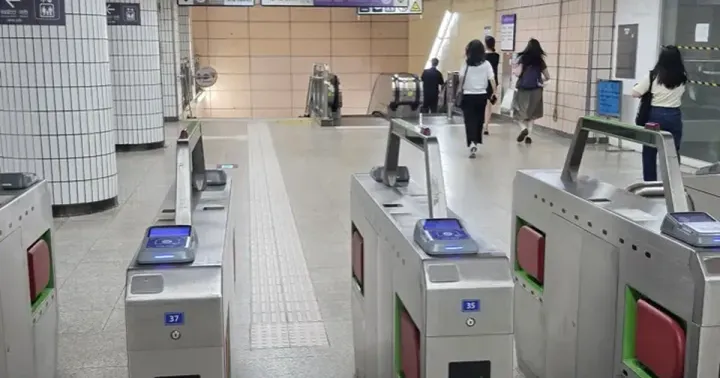
Getting Around Seoul: Subway, Bus, Taxi, Uber and KTX
Which one to actually use, and when. Subway by day, taxi after midnight, Uber vs Kakao T, and how to reach another city — with the two-person maths.
-
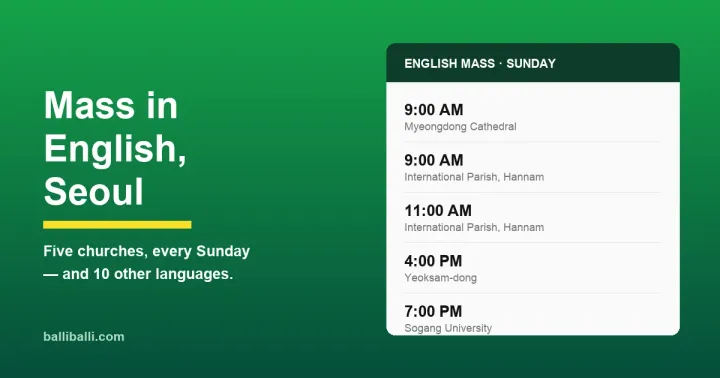
English Mass in Seoul: Where to Go on Sunday
Five Seoul churches serve Mass in English every Sunday, and ten more languages have their own. The full schedule — and why you should ring ahead.
-
T-money Card Korea: Buy One, Tap Everywhere, Transfer Free
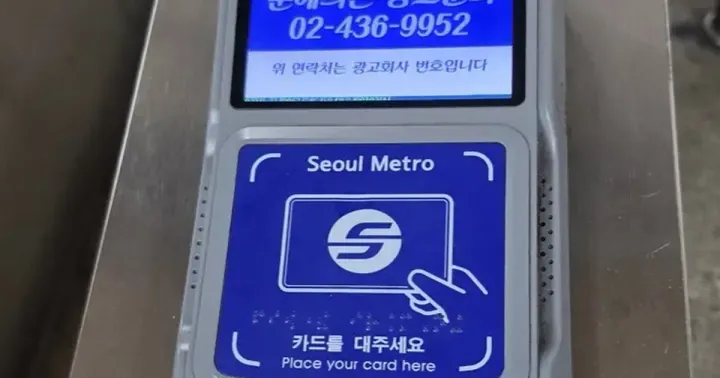
Skip the transit-card research. Buy T-money at any convenience store, top up in cash, always tap out — and free transfers do the rest. With 2026 fares.
-
Korean Convenience Stores: Food, Deals and the Services Desk
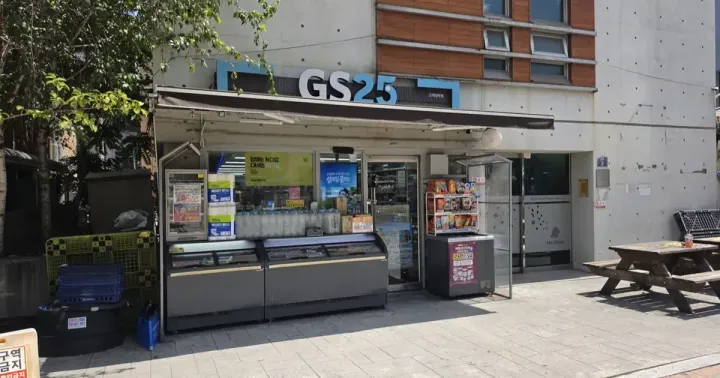
Korea's real infrastructure: 1+1 deals, hot meals eaten in the shop, parcels, cash-only transit top-ups, bill payments — what the counter does.
-
Korea's Summer Electricity Bill: Why It Spikes (and Fixes)
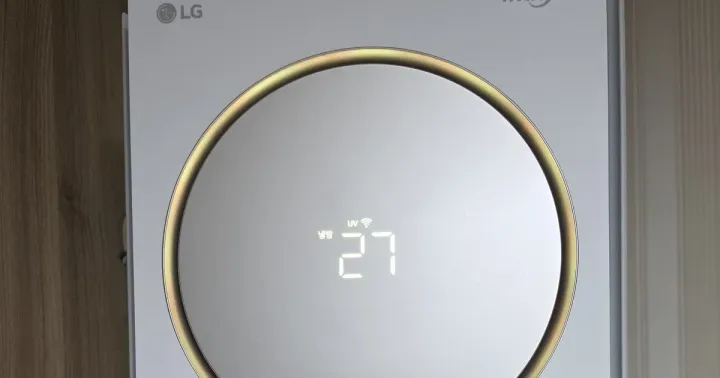
The progressive rate system behind your August shock, the cashback program, and 40,000 free cooling shelters nobody tells foreign residents about.
-
Why Is Everything in Korea a 'Cafe'?
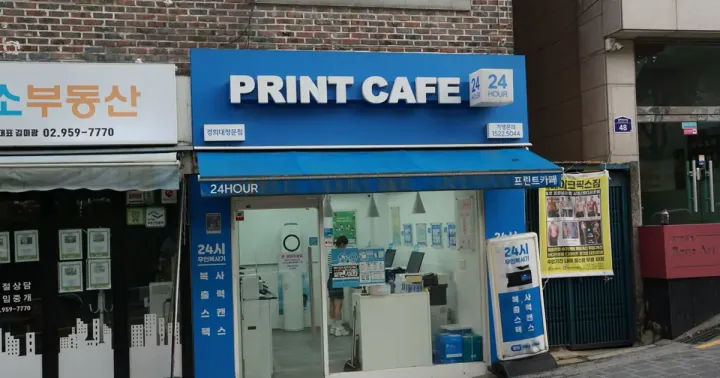
PRINT CAFE, PC bang, coin wash, study cafe. Korea rents you a room by the hour — here's what each one is, what it costs, and how to use it without asking.
-
Sick in Korea: Where to Get Medicine, Day or Night
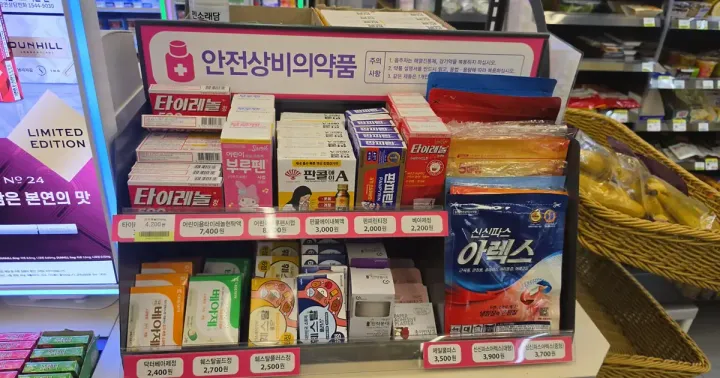
Convenience stores sell fever medicine 24 hours a day, including children's syrups. The full ladder — shelf, pharmacy, clinic, 119 — with real prices.
-
Korean Ramyeon at the Convenience Store: Buldak, Decoded
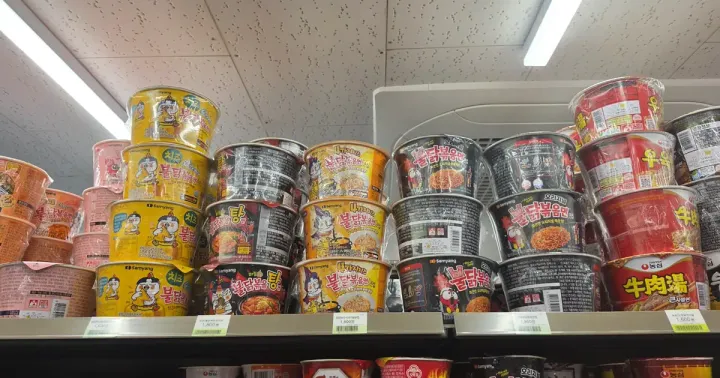
A heat ladder from Shin to Nuclear, why the buldak you know abroad isn't the one on this shelf, what cups cost, and how to eat it in the store.
-
Where to Buy Condoms, Pads and Tampons in Korea
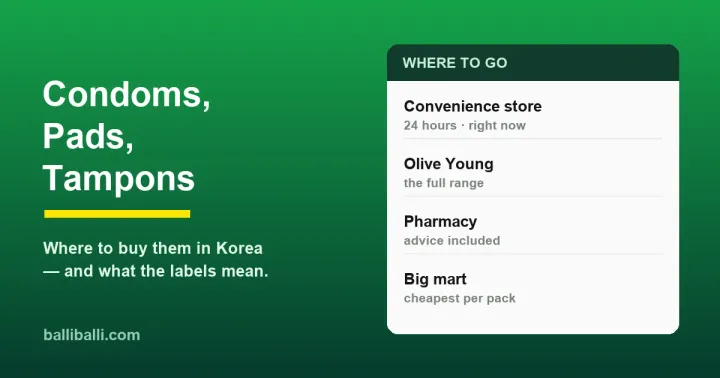
Where to find pads, liners, tampons and condoms in Korea, how to read the labels, and why the old advice to pack tampons and deodorant is outdated.
-
Korean Cafe Culture: Prices, Chains, and the All-Day Table
Why Korea has a cafe on every corner: what each chain costs, how ordering works, and why one americano legitimately buys you a whole afternoon.

-
3 Things About Korea That Surprise Every Newcomer
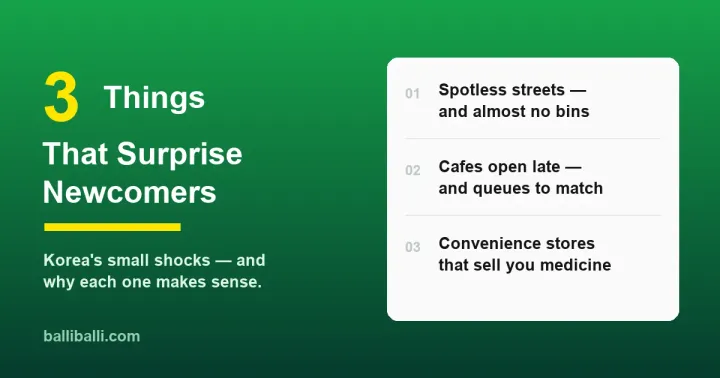
Spotless streets with no trash cans, restaurants open past midnight with hour-long waits, and pharmacies-in-disguise on every corner. Korea, explained.
-
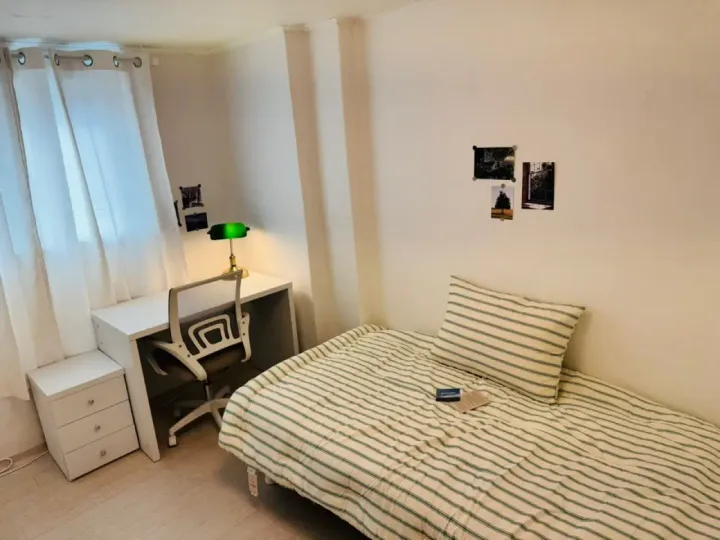
Student Housing in Seoul: Renting Without an ARC or Phone
Arriving for the semester and every Korean housing site rejects you? Here's how students actually rent from abroad — platforms, deposits, and the play.
-
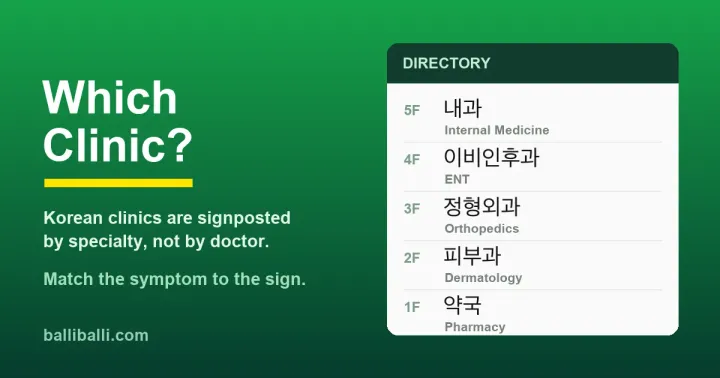
Which Clinic in Korea? A Symptom-to-Department Guide
Korean clinics are split by specialty with no gatekeeper GP. Which department treats what, what a visit costs, and how to find English support.
-
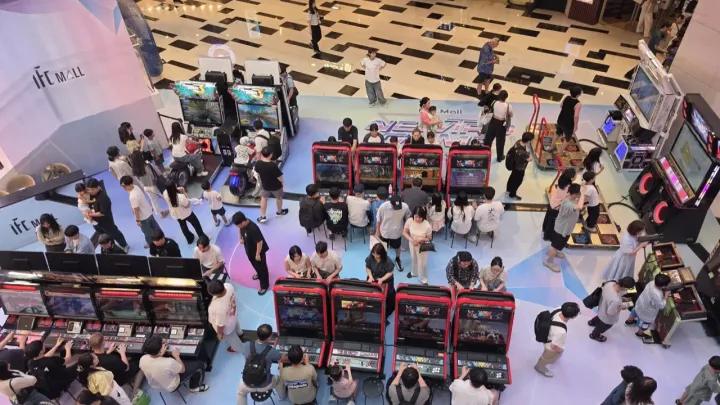
Beat Seoul's Heat Indoors: A Day at IFC Mall Yeouido
When it's 38°C outside, one Yeouido building gives you a cinema, food courts, cafes, shopping and a river park exit — all without stepping into the sun.
-
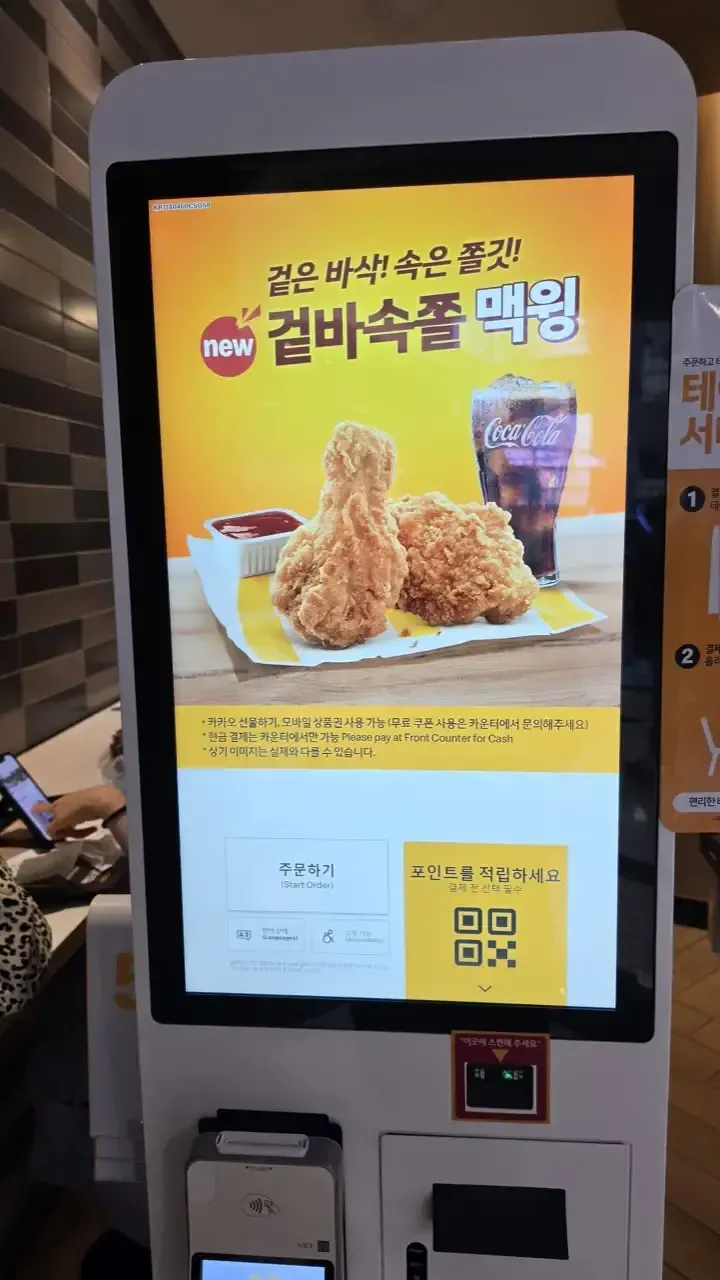
Do You Tip in Korea? No — and the Kiosk Won't Ask
Korea has no tipping culture: no tip line on kiosks, no jar on the counter, tax and service already in the price. What to do instead when service is great.
-
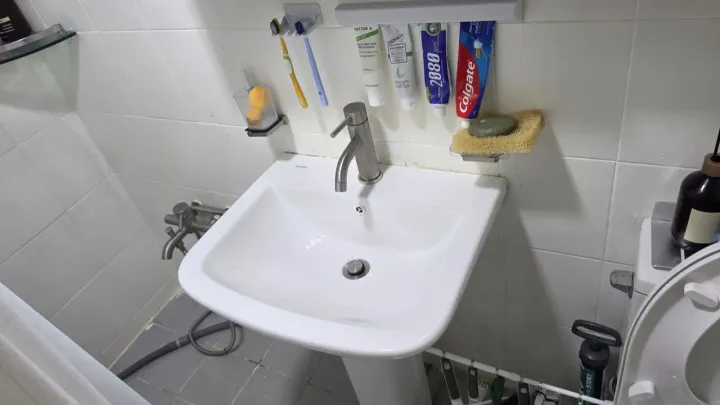
How to Fix a Leaky Faucet in Korea (and Who Pays for It)
The cartridge trick that fixes most dripping Korean faucets, where to buy the ₩10,000 part, what a pro costs, and when it's your landlord's bill.
-
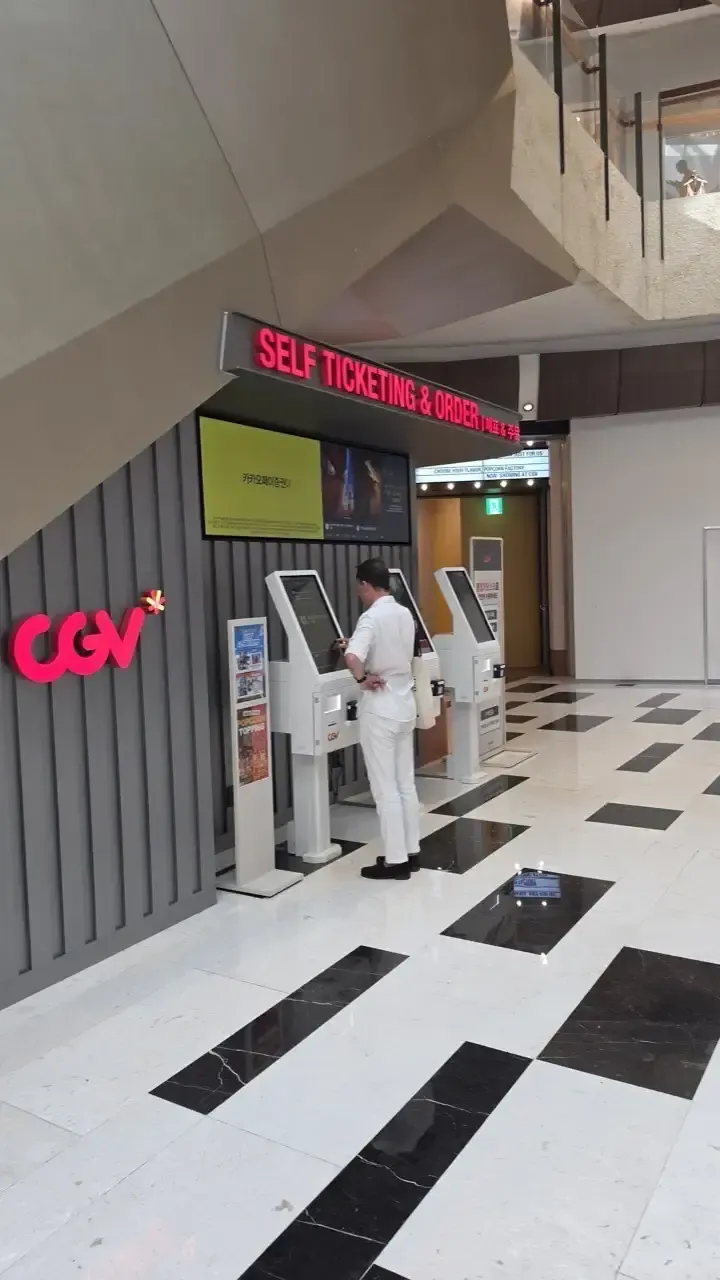
How to Book Movie Tickets in Korea (CGV, Lotte, Megabox)
Booking a movie in Korea in English: the three chains, subtitle vs. dubbed labels, IMAX and 4DX, cheap-ticket days, and how to survive the apps.
-
How to Use Coupang in English (and What Blocks Foreigners)
Setting up Korea's biggest shopping app in English, the sign-up walls that stop foreigners — and how to get things ordered without an account at all.

-
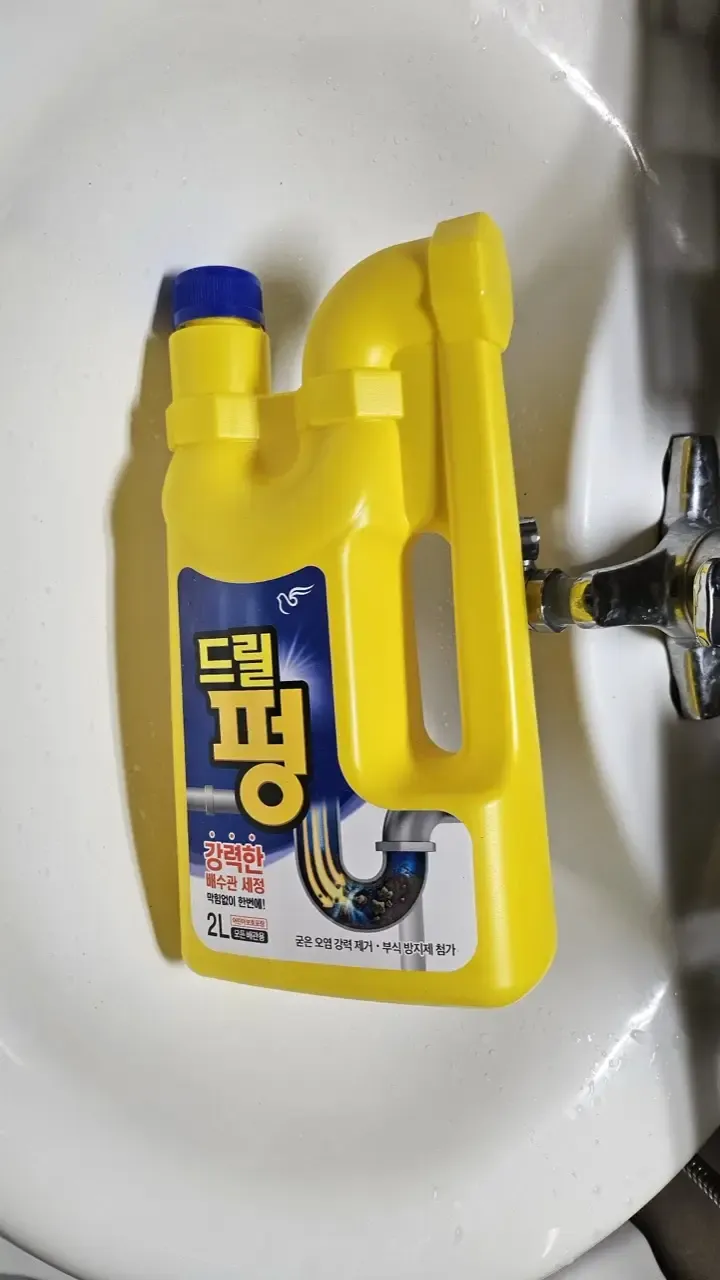
Clogged Sink in Korea? Fix It Yourself, or Know When to Stop
Slow drain or fully blocked? The test that tells you which, the ₩2,000 Daiso tools that beat drain cleaner, and what a plumber costs in Seoul.
-
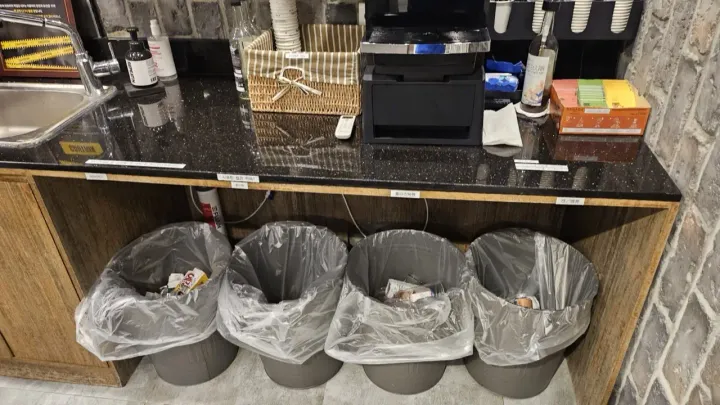
How to Throw Away Trash in Korea Without Getting Fined
Korea's four waste streams explained: district bags, mandatory food-waste separation, recycling rules, and the official process for bulky items.
-
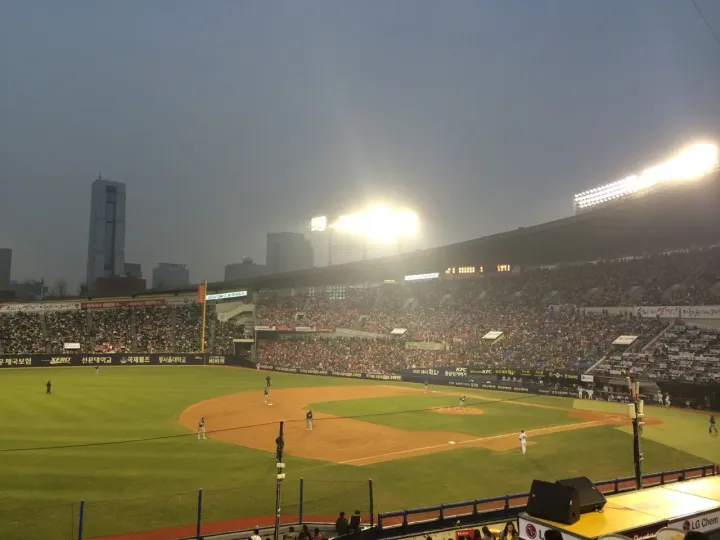
KBO Games Cancelled by Heat — Back On From August 11
Korean baseball is back after a six-day heat shutdown. Every game now starts at 7 p.m. through September 6, under new rules for calling one off.
-
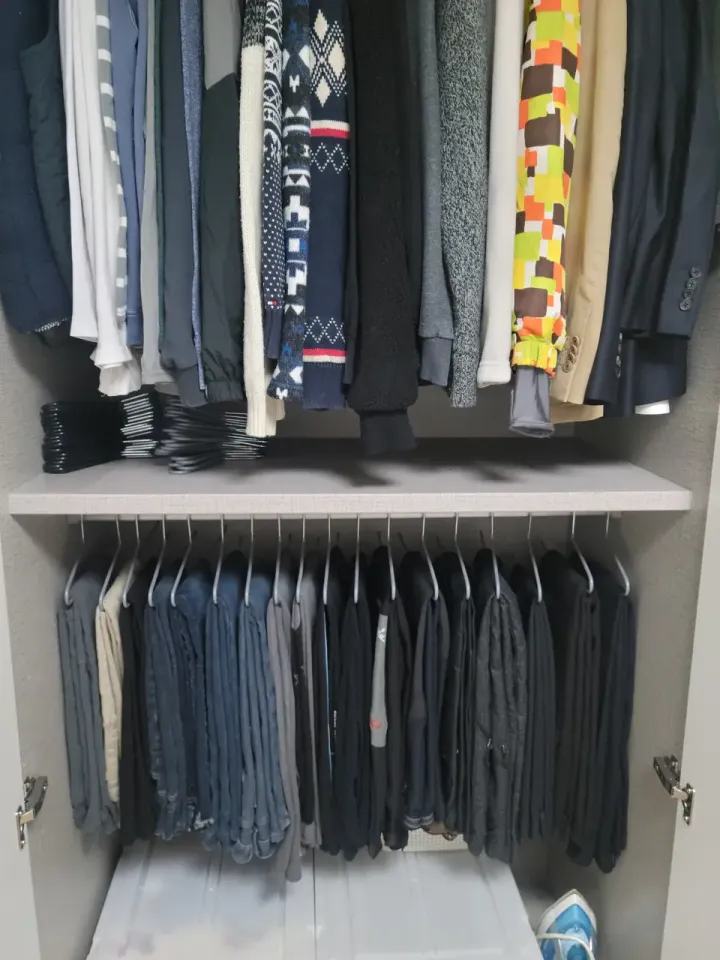
Weekly Housekeeper in Korea: What It Costs and What They Do
Residential cleaners in Korea: what a weekly housekeeper costs per visit, the apps locals book through, and when you need a deep clean instead.
-
Keypad Door Lock Dead in Korea? How to Get Back In
The 9V battery trick that opens most dead Korean keypads, when it won't work, and what a locksmith actually costs in Seoul — in plain English.