3 Things About Korea That Surprise Every Newcomer
Everyone arrives in Korea with a mental list of what they expect — the food, the pace, the neon. Then the first week happens, and it’s three much smaller things that actually make people stop mid-sentence. Here they are, with the explanations nobody gives you.
1. The streets are spotless — and there are no trash cans
Seoul moves ten million people a day, and the sidewalks are somehow clean. Streets stay spotless through crowds that would bury most cities in cups and wrappers — this street view is a pretty typical scene, not a showcase block.
Then comes the double take: you finish a coffee, look around for a bin, and walk three blocks without finding one. In Seoul, finding a trash can is genuinely harder than finding trash. Public bins were largely removed decades ago — partly so households wouldn’t dump their garbage in them to dodge disposal fees — and the city never really brought them back.
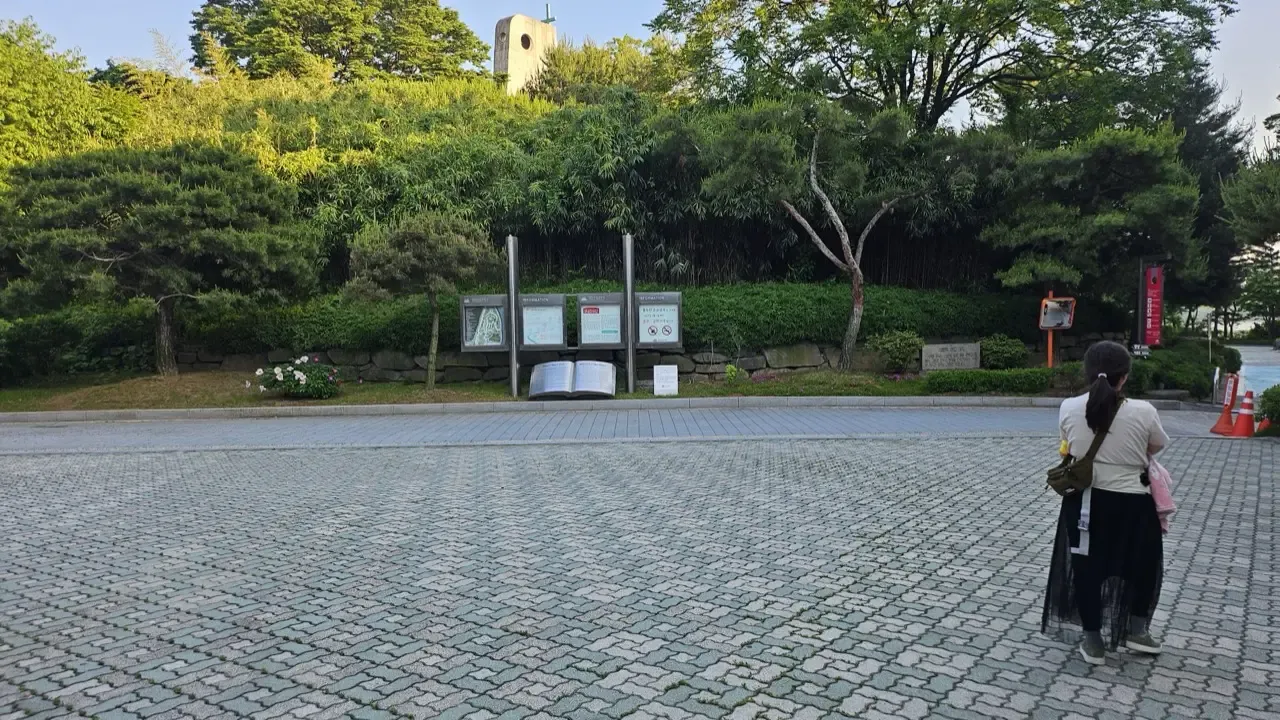
A typical public space — no litter, and no bins either · ⓒ @BalliBalliSeoul
So how does it stay clean? A few unglamorous reasons: an army of early morning municipal cleaners, shop owners sweeping their own frontage, and a deep social norm of simply carrying your trash home. Koreans pocket the wrapper, keep the empty cup, and deal with it later. Do the same and you’ll blend right in.
The bins that do exist come with unwritten limits, and getting this wrong is the fastest way to annoy someone:
- A convenience store’s bin is for what you bought there — drink the coffee at the counter, bin the cup on your way out. It isn’t a public disposal point.
- Subway station bins take small litter only — a wrapper, a tissue, an empty bottle you’re carrying.
- Household trash never goes in a street or store bin. That’s exactly the behaviour the city removed public bins to stop, it’s what those posted fines are about, and locals notice.
So the real answer is the boring one: carry it, and dispose of it where you live.
What happens to that carried-home trash is its own system of bags, fines, and sorting rules — we wrote the full survival version in our guide to throwing away trash in Korea.
2. Restaurants and cafes are everywhere, open late — with waits to match
Korea has one of the highest densities of restaurants and cafes in the world. Any residential street corner has a fried chicken place, two cafes, and a 24-hour gukbap (soup and rice) joint, and “dinner at 10 p.m.” is a completely normal sentence. Coming from a city where kitchens close at nine, this alone rearranges your evenings.
The surprise inside the surprise: with all that supply, the popular places still have lines. Koreans treat waiting as part of the outing — trending cafes and famous restaurants routinely run 30–60 minute waits, managed by a tablet at the door (or an app like Catch Table) where you leave a phone number and get pinged when your table’s ready. Two things worth knowing before you join one: the tablet is almost always Korean-only, but the flow is universal — tap, enter party size, enter a phone number, take the screenshot. And a Korean phone number is usually required for the ping, so if you’re on a tourist eSIM without one, ask the staff to call you in (“웨이팅 되나요?” gets the point across, or just point at the tablet and smile).
The upside of the density: if the line is absurd, an equally good un-famous place is usually within a hundred meters. The famous spot is on every app; the one next door is often where the neighborhood actually eats.
One more cafe norm that surprises people in both directions: nobody rushes you out. A single americano legitimately buys a table for an afternoon of laptop work — cafes here double as the city’s living room and study hall.
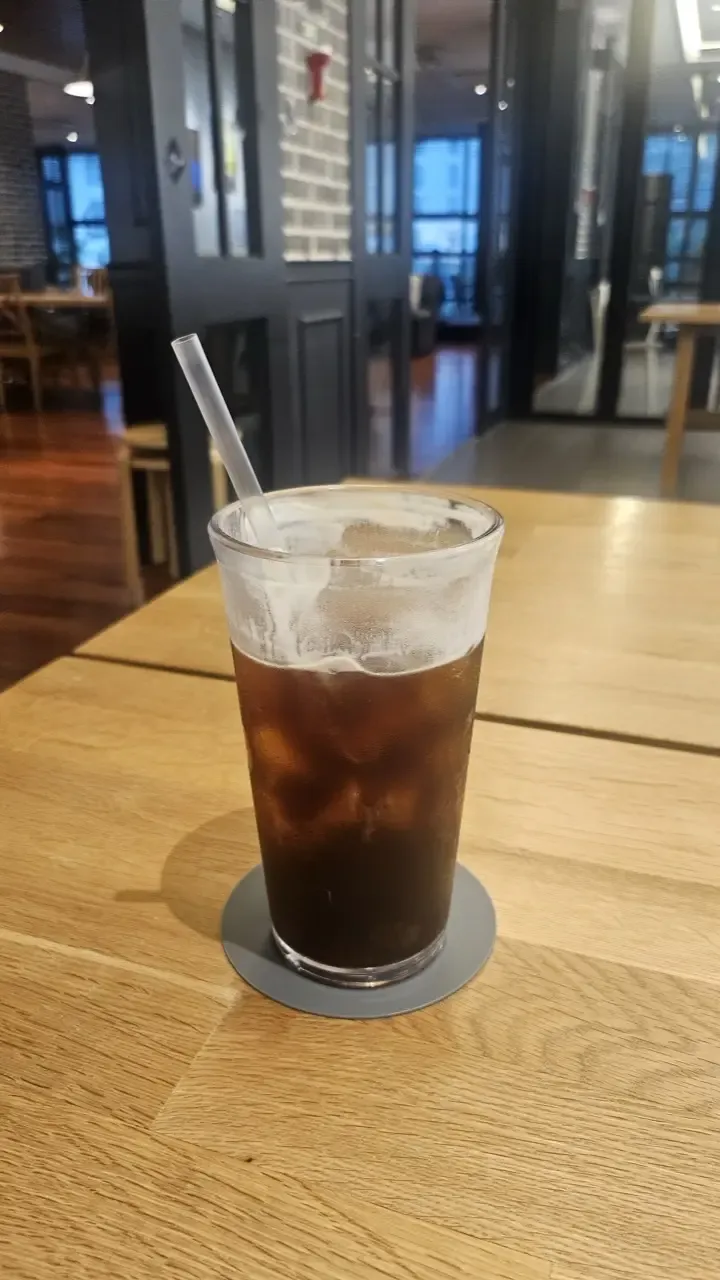
One iced americano. The table is yours until you leave · ⓒ @BalliBalliSeoul
Nobody will bring you a check, hover, or ask if you’d like anything else. Big tables, outlets at most seats, and a room full of people doing exactly what you’re doing.
Sit-down restaurants run on the opposite script, and on their own set of unwritten rules — the cutlery hidden in a drawer in the table, the bell you press instead of waiting to be greeted, the side dishes nobody charges you for. Those are all here.
3. When everything’s finally closed, the convenience store isn’t
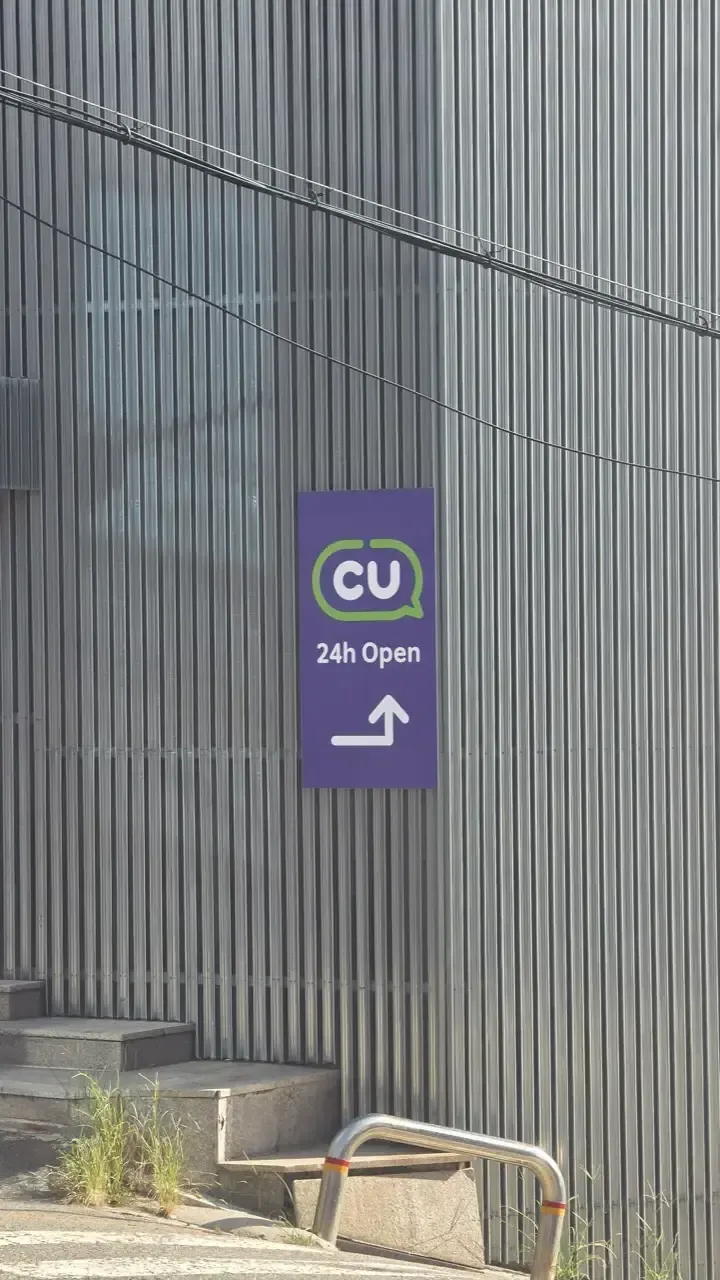
“24h Open” — the two words that save your night · ⓒ @BalliBalliSeoul
Past midnight, when even the late kitchens wind down, the glowing storefront on the corner is still there. Korean convenience stores — GS25, CU, 7-Eleven, emart24 — are 24/7, everywhere, and far closer to a mini-restaurant than the gas-station snack rack the name suggests: fresh dosirak (meal boxes), triangle kimbap, instant ramyeon with a hot-water station and seating to eat it, decent coffee, and beer. There is enough going on in there that we gave it its own guide.
The part that genuinely surprises people: they also sell medicine. Since 2012, convenience stores can legally stock a fixed list of emergency household medicines (안전상비의약품) — Tylenol (acetaminophen), ibuprofen-type painkillers, cold tablets, fever patches, digestive aids. It’s a short, regulated list rather than a full pharmacy, but at 2 a.m. with a headache, it’s exactly enough. If your symptoms are past what a convenience-store shelf fixes, the next step is a clinic — and Korean clinics are signposted by specialty, so knowing which one to walk into is its own skill (our department guide decodes the signs). Our anything-else concierge service can find one near you that’s open and can take you in English.
And the stores quietly do half the neighborhood’s errands beyond food: most have an ATM (look for one marked 해외카드 for foreign cards), they top up your T-money transit card at the register, and they double as package pickup and drop-off points for couriers. When Koreans say “there’s a convenience store for that,” it’s rarely an exaggeration.
Get it sorted
Something in Korea confusing you at 1 a.m.? A label you can’t read, a queue app in Korean, a medicine you can’t find? Message us on WhatsApp — we’ll figure it out with you in English. Asking costs nothing — you pay only for the work you book.
Korea’s small surprises share one theme: the system works, it’s just never explained out loud. The trash goes home in your pocket, the wait is part of dinner, and the corner store is the city’s safety net. Learn those three and your first month gets a lot smoother.
One more that catches visitors pleasantly: the royal palaces let you in free if you are wearing hanbok, which is why the courtyards are full of it. There is an official rule about what counts, and hanbok rental covers it along with what the good shops charge.