Move-Out Cleaning in Korea: Protecting Your Deposit
Your lease is ending. Somewhere in the last week, the landlord or the agent will walk through the flat, look at it, and decide what to deduct.
In Korea that decision is made against a number they estimate, not against an invoice you can argue with. Which is why the clean you pay for beforehand is almost always cheaper than the clean they price on your behalf afterwards.
The word is 이사청소
Move-out cleaning is 이사청소 (isa cheongso). It is the same trade and the same crew as the move-in clean — the difference is which side of the handover it sits on, and who is paying.
It is not the same as a normal tidy. The job is the whole flat, empty: inside every cabinet, the window frames and screens, the bathroom including limescale and silicone, the range hood, the light fittings, skirting boards, and the floor last. If you want the full map of Korean cleaning categories, that is in deep cleaning in Korea.
It has to happen after your things are out. Everything on that list is unreachable with furniture in the room, which puts the clean in a narrow window between the movers leaving and the keys going back.
What actually gets deducted
This is the useful part, because the list is shorter and more specific than people fear.
Damage, not wear. Korean practice distinguishes 원상복구 — restoring the original condition — from ordinary ageing. Faded wallpaper after three years is wear. A hole in it is not.
The things that come up again and again:
| Commonly deducted | Commonly accepted as wear |
|---|---|
| Anchor holes and screw holes in walls | Small nail holes, in some leases |
| Burn marks, deep scratches, gouged flooring | Furniture-leg dents in 장판 |
| Sticker and adhesive residue | Sun-faded wallpaper |
| Blackened bathroom silicone | Grout discolouration |
| Cigarette smell in the wallpaper | Ordinary dust and grime |
| Missing items — remotes, keys, shelves, filters | — |
| Rubbish left behind | — |
Two of those are worth naming. Wall anchors are the single most common argument, because mounting a TV or a shelf feels like a small act and leaves a repair-sized hole. And rubbish left behind is the one deduction nobody disputes — it is not a judgement call, it is a bill.
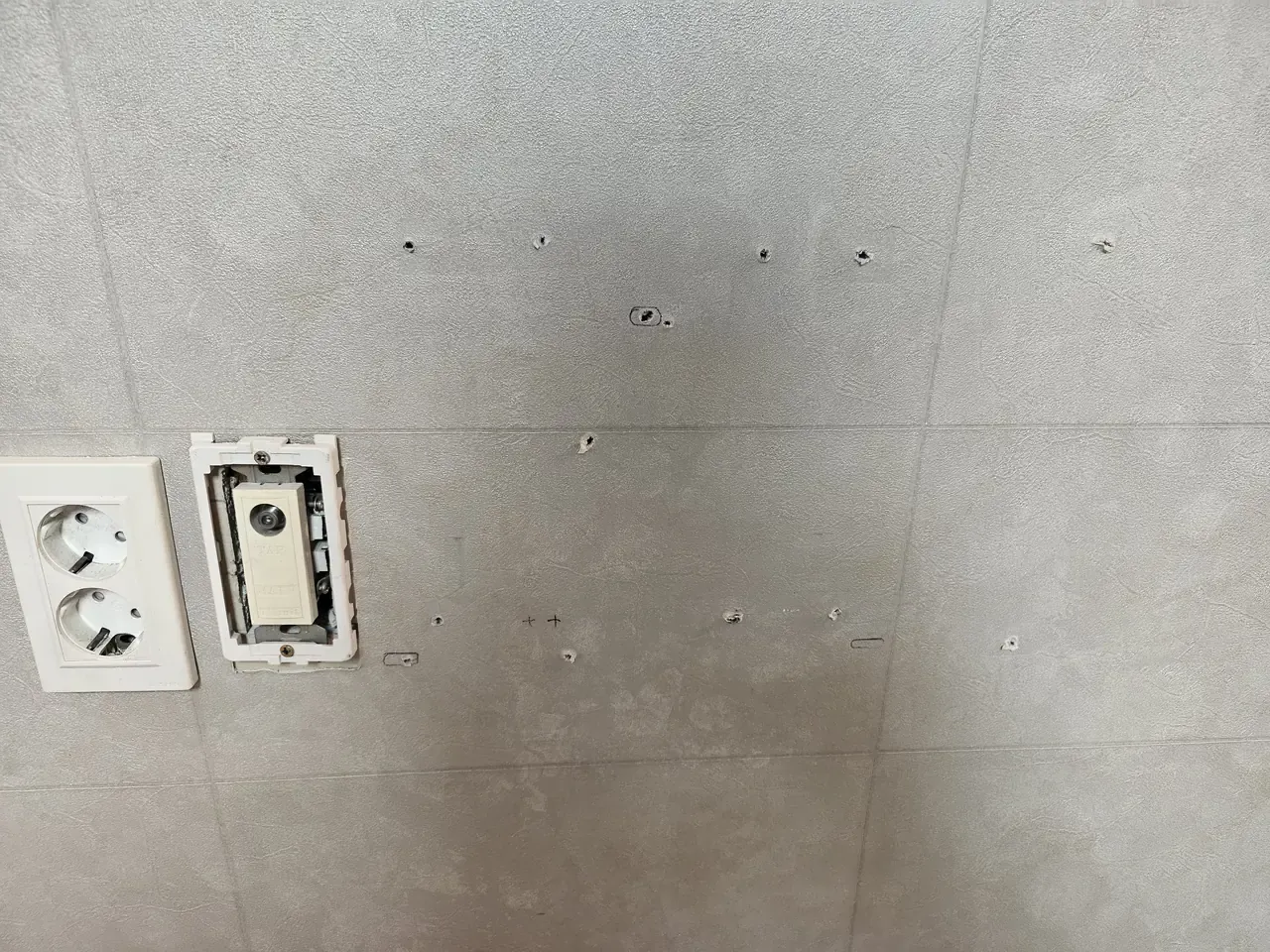
One TV bracket, one shelf, one mirror · ⓒ @BalliBalliSeoul
Nothing dramatic happened to that wall. It is an ordinary wall in an ordinary flat at the end of an ordinary tenancy, and every one of those holes is somebody who hung something up. That is what the argument is actually about — not damage anyone would call damage, but a dozen small decisions that add up to a wall someone now has to make good.
Anything you raised on the way in is not yours on the way out. A flaking window frame or a failed bath seal that you photographed and reported on move-in day is a documented pre-existing condition. The same fault, never mentioned, is three years later indistinguishable from one you caused — which is the whole argument for doing the walk-through when you arrive.
Do it in this order
The sequence matters more than the effort. Out of order, you pay twice.
1. Get rid of what is not coming with you — early. Large items need a paid disposal sticker arranged with the district office in advance, and the collection date is theirs, not yours. Booking that a week out is the difference between leaving cleanly and abandoning a mattress in the corridor. The whole system is in how to throw away rubbish in Korea.
2. Move out. Furniture first, then the clean.
3. Then the clean, into an empty flat — and walk it with the team leader before they leave. Ten minutes of checking the clean before you pay is the difference between the crew fixing a missed track and the landlord finding it.
4. Photograph it, empty and clean, before you hand the keys back. Walk the same route you walked on the first day and take the same shots from the same angles — including the meters. A matched pair settles in ten seconds what an argument takes a week to resolve, which is exactly why the move-in photographs were worth taking.
5. Hand over. Ideally with the landlord or agent present, so anything they want to raise gets raised while you are standing in the room rather than by message a fortnight later.
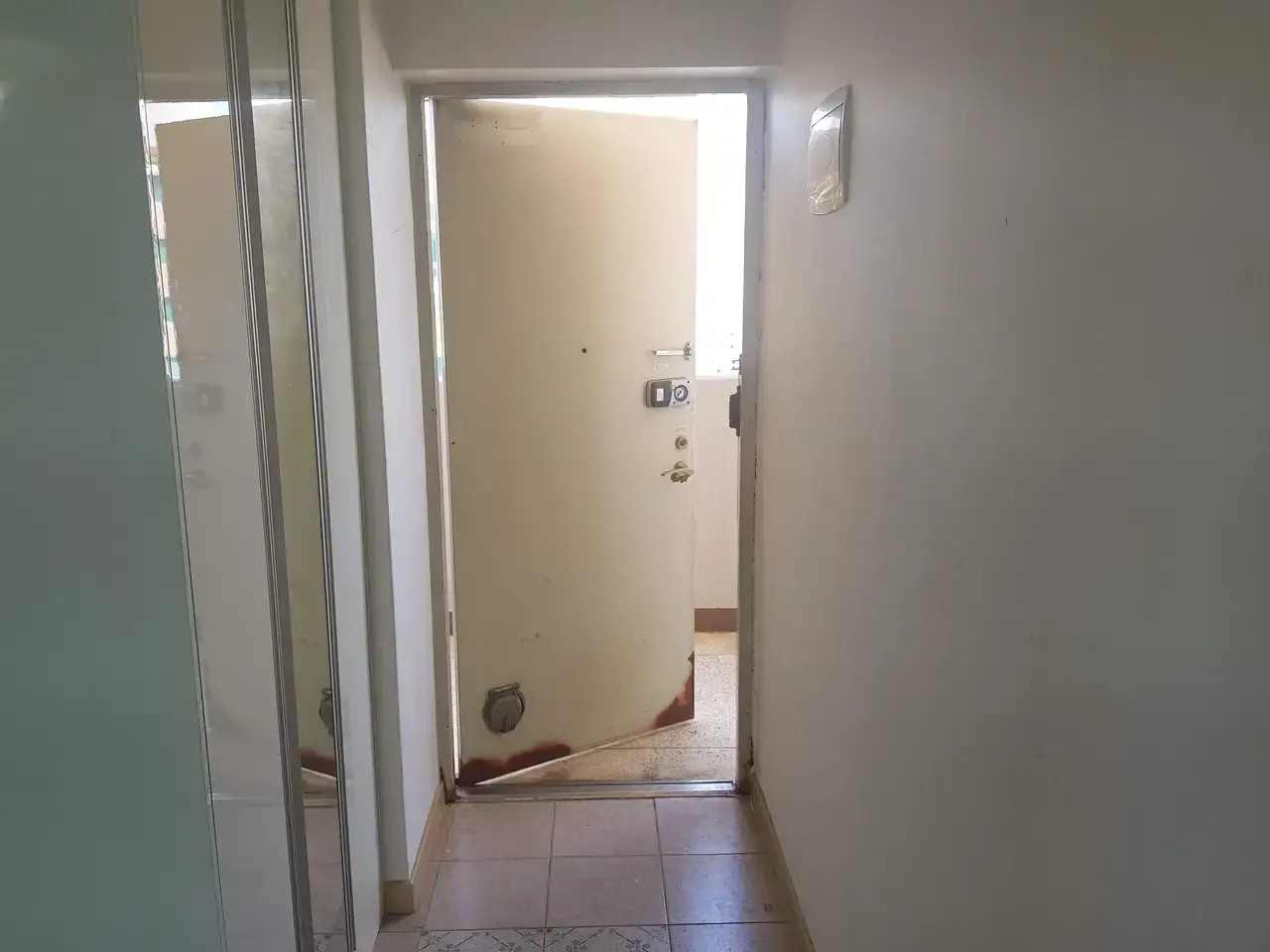
The last five minutes decide the deposit · ⓒ @BalliBalliSeoul
What it costs
It is the same job as a move-in clean and it is priced the same way — by 평 (pyeong), working out around ₩23,000–25,000 per pyeong, so a one-room lands near ₩250,000. The full size-by-size table, and what to check on a quote, is in move-in cleaning; there is no point repeating it here.
Now put that next to the deduction. A landlord who decides the flat needs cleaning does not go and get three quotes — they estimate, and the estimate is rarely generous. On a one-room, the gap between paying ₩250,000 yourself and accepting whatever number lands on your deposit is usually the whole argument for booking it.
Ask what is included. Air conditioner cleaning is nearly always a separate line item — often ₩60,000–90,000 for a wall unit — and if you have been running it for two summers, it is a fair thing for a landlord to raise. That one has its own guide: aircon smells and what the clean actually involves.
The part people get wrong
Read the lease before you assume. Some Korean leases carry a 특약 — a special term — requiring the tenant to hand back the flat professionally cleaned. If yours does, this is not optional and the receipt matters. If it does not, cleaning is still usually the cheaper path, but it is your decision rather than an obligation.
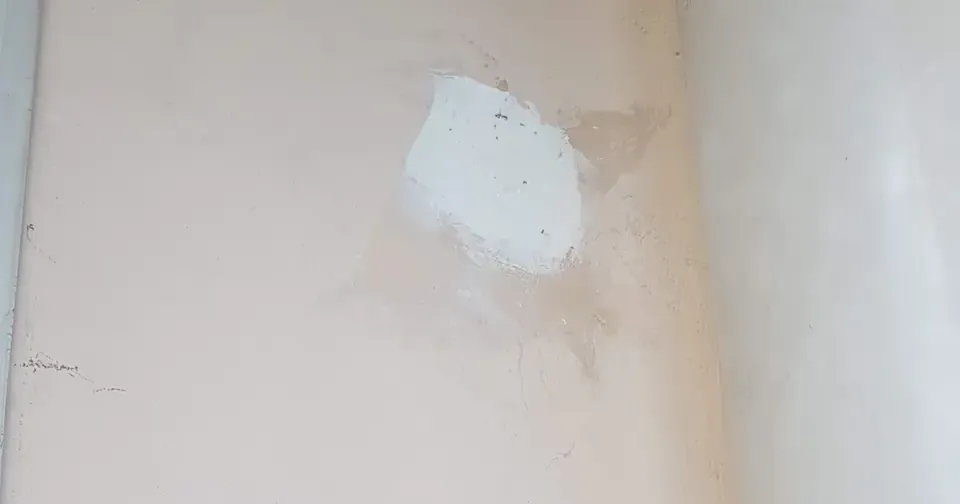
Do not repair things yourself at the last minute. Look at the cover photograph again: that is a filled hole, and it is more noticeable than the hole was. Touching up wallpaper with the wrong roll, re-siliconing a bath edge badly — a visibly amateur repair can cost more than the original damage, because now it is two jobs. If a repair is needed, say so and let it be priced.
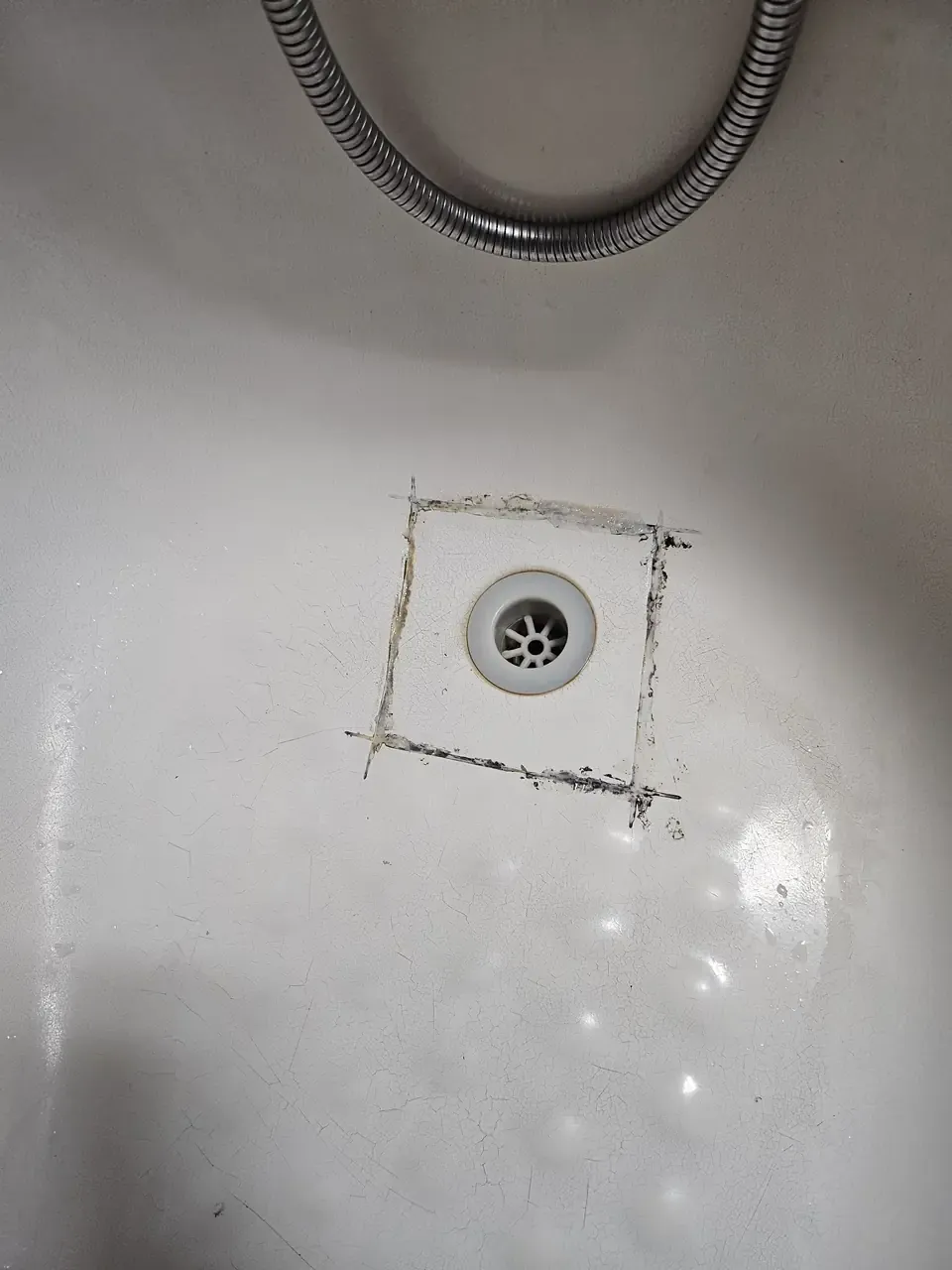
Someone re-sealed this themselves · ⓒ @BalliBalliSeoul
That is what “re-siliconing a bath edge badly” looks like from a metre away. The old seal was cut out and a new one laid by hand, and the result is a grey square that pulls your eye straight to it — including the eye of whoever is deciding what comes off your deposit. Saying the seal had failed and letting it be priced would have cost less.
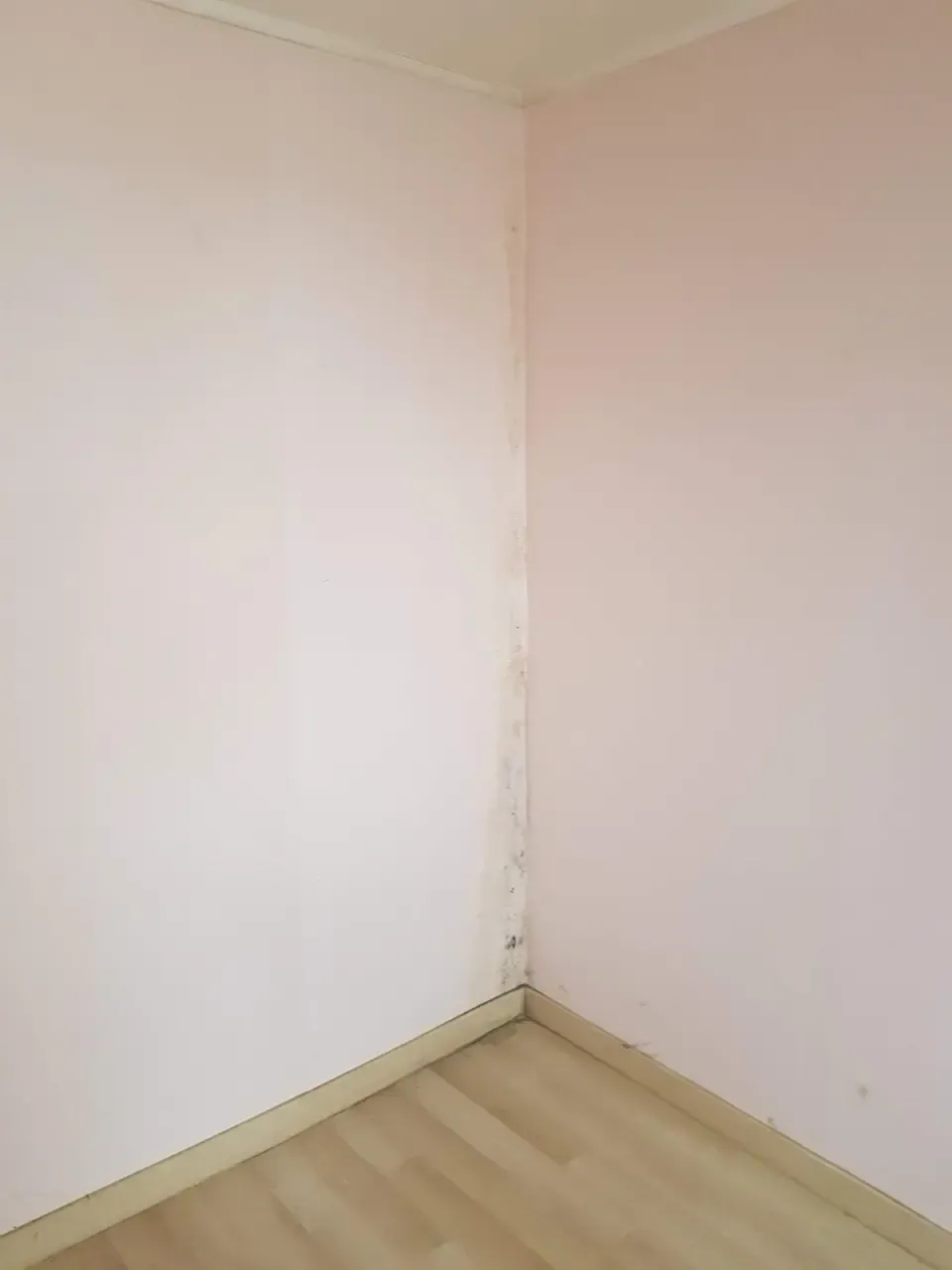
Not dirt. Do not let this be scrubbed and forgotten · ⓒ @BalliBalliSeoul
Cleaning does not fix building problems. Damp at the bottom of a wall is not dirt and scrubbing it changes nothing — mould behind the baseboard is the landlord’s problem, and finding it on the way out is a conversation, not a deduction.
The Korean part
Four conversations, all in Korean, in the same week that you are moving.
- The district office, for the large-item disposal stickers.
- The cleaning company, for a quote that needs your floor area, the date, and access to an empty flat.
- The movers, whose timing has to fit around the clean.
- The landlord or agent, about the condition of the flat and what comes out of the deposit — the one that decides the money.
The fourth is the one worth preparing for. Bring the photographs, know which items are wear and which are damage, and put anything agreed in writing rather than in a doorway.
Not sure whether a deduction is fair? Send us the photos and what you have been told on WhatsApp — we’ll read the Korean, tell you what is normal, and put your side of it back in Korean if you want us to. Asking costs nothing.
Get it sorted
Book the disposal first, the clean second, and photograph the empty flat before you hand anything over. Those three, in that order, cover most of what goes wrong.
We arrange move-out cleans in English and coordinate the timing against your movers so the flat is empty when the crew arrives. The cleaning page has the guide ranges, and if the move itself is still unsettled, moving quotes in Seoul is the other half of the same week.